
Seniors Living Proposal
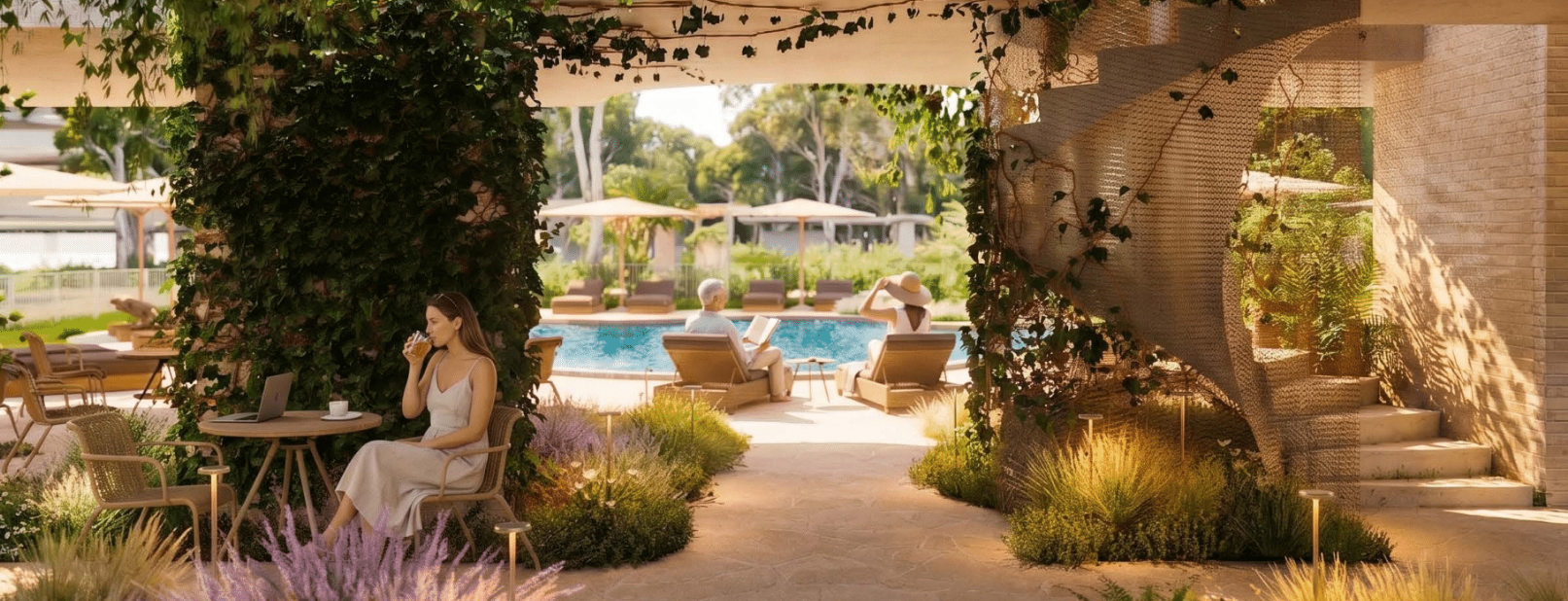
Koichi Takada Architects | HGA
Growing Old in Byron: Questions Raised by the Oasis Proposal
Byron Bay has a large and active population of older residents, particularly in the 55–70 age bracket. Many of these residents live independently, remain engaged in the community, support local businesses, volunteer organisations, and have strong social connections within the region.
The proposition that a seniors residential community will provide year-round economic and social benefits to Byron Bay is not especially novel. The Oasis proposal states “senior residents can help provide some ballast to ensure Byron remains a thriving, functional community every day, all week and all year “. In reality, there is already an existing (& spirited) older population in Byron that contributes significantly to community life, keeping many committees and organisations afloat.
The more pressing question is whether Oasis, Byron Bay addresses the housing needs of this diverse community in the next stage of ageing.
The greatest challenges when it comes to aging generally emerge in the years from 70–85 and beyond, when people begin to seek smaller homes, reduced maintenance responsibilities, improved accessibility, greater transport support, and the ability to age in place as their mobility, health or care needs change.
“What proportion of Oasis apartments are one-bedroom dwellings designed for local downsizers, and what is the anticipated entry price point for those dwellings”
ABS Statistics show that Byron Bay has approximately 2,000 residents aged between 55 and 69. What evidence demonstrates that Oasis, Byron Bay designed primarily for this existing community, rather than attracting a new cohort of affluent retirees from outside the region?
This proposal raises a number of important questions for the Byron Bay community:
Will the Oasis proposal serve the needs of older residents seeking long-term ageing support, or will it principally cater to active retirees seeking a lifestyle-oriented residential community?
Oasis is described as a "retirement living project" this is a marketing term.
Does the Oasis proposal seek to offer: housing for active retirees, housing for local seniors needing to downsize, ageing-in-place for people in their 70s and 80s or is it offering a premium lifestyle product for affluent retirees ?
While these concepts are all necessary and overlap,
they serve different populations and policy objectives.
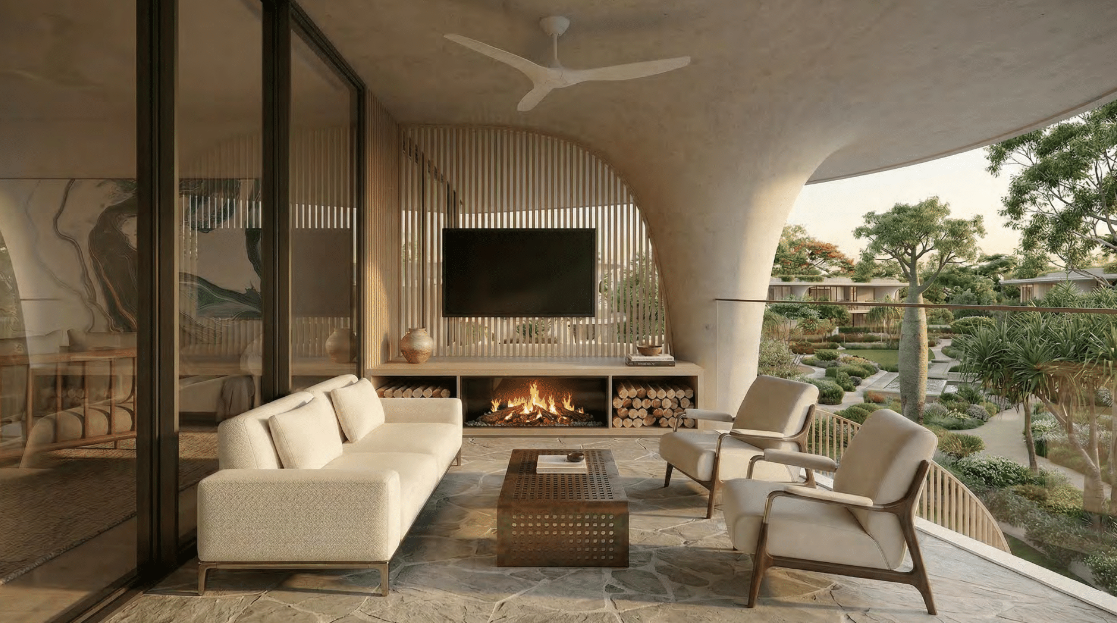
Koichi Takada Architects | HGA
Many people who live in Byron maybe incidentally asset-rich due to changing land values—but not necessarily income-rich. Their homes may have been bought decades ago, but they are not the type who identify with a six-star luxury lifestyle. The draw card of Byron has historically been community, the natural environment, simplicity and connection—not premium amenities. Though there is room for improvement in some of the towns facilities :)
The housing problem that many older Byron residents is not that they need a wellness precinct. It's that they need somewhere smaller to live without leaving the community they helped to build.
If Oasis is intended to address the housing needs of Byron's ageing population, we need to know will existing local residents be able to afford to live there? Questions around cost have been elusive.

Byron has a very active older population
What does ageing well in Byron Bay actually look like?
The proposal includes extensive wellness, recreation and lifestyle facilities. While these amenities may be attractive to some residents, it is unclear how they compare with facilities and infrastructure specifically designed to support ageing in place.
Some clarification and questions to pose:
How does the floor area devoted to wellness, recreation and lifestyle facilities compare with the floor area devoted to aged-care support, health services, accessibility infrastructure and ageing-in-place design?
What specific features of the development are intended to support residents as they move into later stages of ageing?
What provision has been made for residents whose care, mobility or cognitive needs change over time?
What proportion of the development is designed specifically around seniors' needs, as distinct from amenities that would be attractive to residents of any age?
How many additional dwellings are achievable only because the proposal is classified as seniors housing?
What planning concessions, variations or bonuses are being relied upon under the seniors housing pathway?
Most locals would welcome a well-designed seniors living development in Byron Bay. The question is not whether we want quality housing for older residents — of course we do.
The question is whether this proposal reflects the Byron Bay that already exists.
The approximately 10,000 permanent residents of the 2481 postcode did not choose Byron because it offered luxury services, concierge living or resort-style amenities. People stay because of the ocean, the climate, the sense of community, and the fact that there is nowhere else they would rather grow old.
Byron has always been a little imperfect, a little unconventional and fiercely local. That character is part of what attracts people here and keeps them here.
So it is reasonable to ask whether Oasis is uniquely Byron, or whether it could just as easily be built in Noosa, the Gold Coast, the Sunshine Coast or any number of affluent coastal destinations.
Questions worth asking include:
What proportion of apartments would be seemed ‘affordable' suitable for local residents looking to downsize?
What are the anticipated purchase prices and ongoing fees?
How many existing Byron Shire residents would realistically be able to afford to live there?
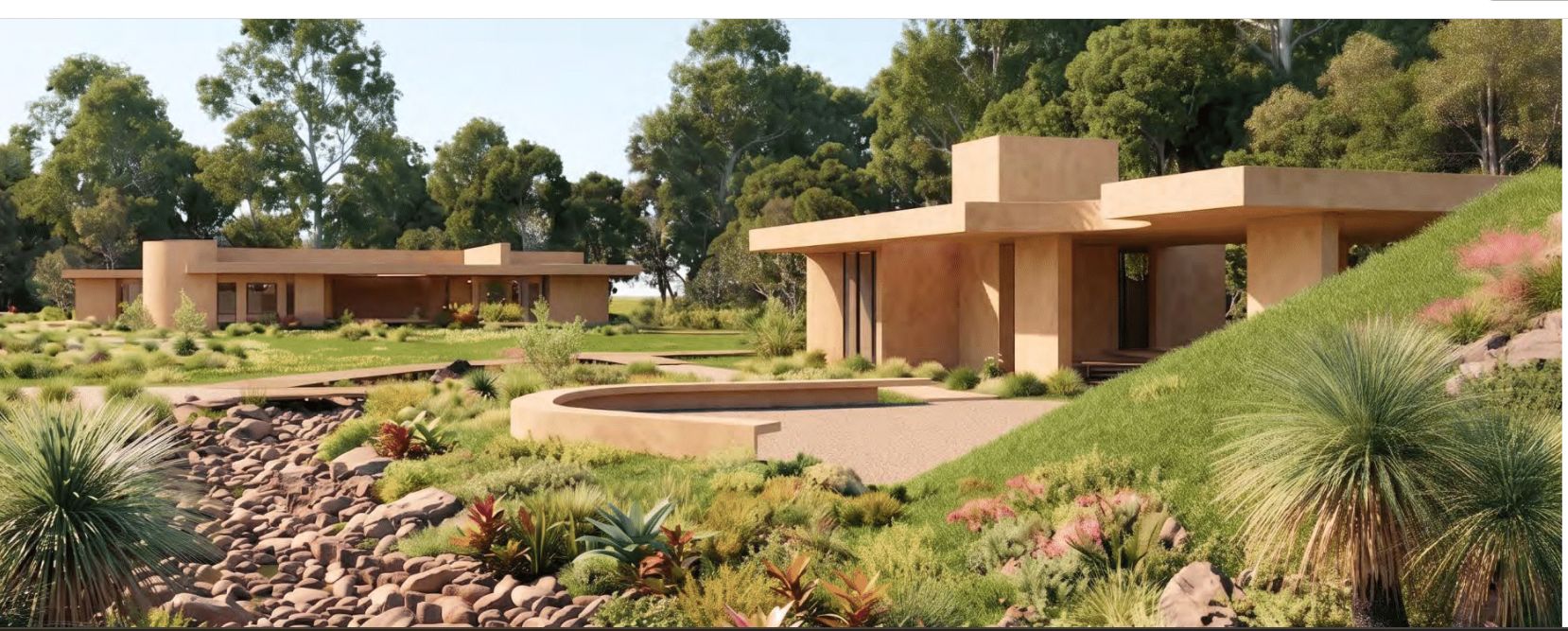
Does the design draw on local materials, local building traditions and the character of Byron Bay?
How does the proposal respond to Byron's identity as a small coastal town rather than a luxury resort destination?
Is the project designed primarily around the needs of local seniors, or around the expectations of affluent retirees relocating to the area?
A seniors living proposal does not need to be ultra-luxury to be successful. It needs to provide housing that allows people to remain connected to their community as they age.


Separate Questions related to the The Bay St Clubhouse
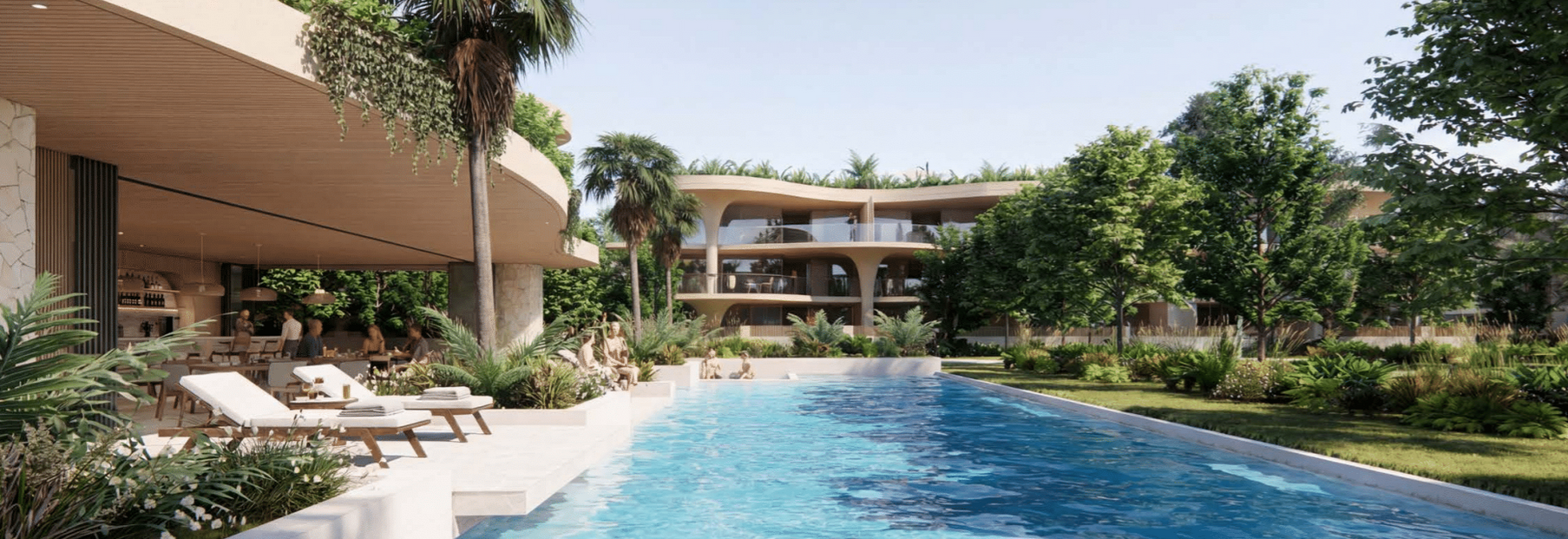
The proposal references a members only “Bay Street Clubhouse” on the beachfront providing wellness, dining and social spaces for Oasis residents. However, it remains unclear what legal or planning mechanisms permanently link the clubhouse to the Butler Street development. Is this a separate private club or a key part of the Oasis proposal.
Feedback suggests that this private style 'members' club/wellness facility, will also be accessible to a sister development on the Gold Coast.
Is the clubhouse is essential to the functioning of the development ?
Is the Bay Street Clubhouse part of the same development application and approval as Oasis?
If Oasis already contains extensive wellness, recreation and communal facilities on-site, why is the Bay Street Clubhouse necessary to the planning narrative at all?
What legal instrument guarantees access for Oasis residents?
Will ownership of the clubhouse and the Butler Street apartments remain linked in perpetuity?
If the Bay Street property is sold in the future, what protections exist to ensure residents retain access?
The challenge for Byron Bay will not be attracting older residents. If you live here and are active in this community, you know, as the Census shows they live here already. The challenge is providing housing options that allow this engaged and spirited cohort to remain in the community as they move from active retirement into the later stages of ageing. Make a submission. We’ll be following this story.
Sign up to our newsletter and tell us what matters to you in the 2481 postcode — because local voices have the power to shape local issues.