
Inside the Plan

Operational Plan
A people‑focused breakdown of the
key issues shaping our towns
Development & What It Means for Byron (yes we’re Byron-centric)
Development is one of Byron Shires most pressing issues. Research shows that development; small, medium and large is a fairly unexamined area in many councils. In particular coastal towns where construction activity is effectively reshaping public space for long periods without much public visibility. As development pressure increases in Byron, stronger public reporting, clearer compliance measures and better protection of community amenity are becoming increasingly important.
“Monitor and enforce compliance with development consent conditions, un-authorised land use and environmental legislation.”
While the Operational Plan references and contains broad commitments to development and maintaining controls to protect public safety and livability – the plan lacks a dedicated strategy for monitoring and managing the cumulative impact of construction work zones, road reserve occupation, temporary fencing, storage areas, and loss of public parking associated with private development activity.
Seeing development impacts in your street or neighbourhood? Include this in a submission and then use the Report It tool - some people claim this maybe a black hole but we have an open mind :)
Also: hello@peopleofbyron.com so we can keep track of emerging issues.
Open Spaces, Public Land and Community Facilities
“Maintain parks and open spaces to a safe, clean and functional standard for community use.”
Open space is one of the Shire’s most valuable public assets — socially, economically and environmentally. It’s a big part of why people love living here. But without strategic planning and a strong vision, these spaces can fail to reach their potential, and in some cases, decline. It’s not unusual to see trees and garden beds planted, only for a few months later to find a dead tree surrounded by hardy weeds. Asset lost.
The plan focuses on weed management, bush regeneration and safety — all important — but overall, it reflects a maintenance‑based approach rather than a vision‑led approach to open space.
Council is responsible for how public land is used, whether temporarily or permanently. This includes community facilities, commercial activities, infrastructure projects, construction impacts and other uses of public space. The plan outlines how leases and licences over Council land are managed, and how infrastructure and public works are coordinated – but there is also limited transparency around approvals that allow public land and shared community spaces to be used for private construction purposes.
Noticing an issue in a public space? Lodge it through Report It or get in touch with Council so we can address it before it’s too late.
Illegal Camping & Homelessness
The Operational Plan includes specific measures to address unauthorised or illegal camping across the Shire. Under its regulatory and compliance framework, Council commits to proactive daily patrols of streets and public places, maintaining increased patrols during peak periods, and responding to reports lodged through customer service requests. At the same time, the Plan acknowledges the broader social issues connected to homelessness and rough sleeping, with commitments to work alongside support services, coordinate homelessness initiatives, develop a Homelessness Action Plan, and explore opportunities to improve public amenities for vulnerable community members. Together, these actions reflect Council’s attempt to balance compliance and public space management with more compassionate, long‑term social support responses.
Have concerns around unauthorised camping or worried about homelessness in your area? Lodge it through Report It and contact Council so it can be followed up appropriately.
Funding & Grants
“Coordinate grant applications to support the delivery of Council projects and services within management plans, masterplans, strategic plans, council resolutions and high priority actions…”
For many years, Byron Bay and the wider Shire have faced ongoing funding pressures, making it difficult for Council to deliver larger public space, infrastructure and amenity projects without outside support. That’s why having a strong grants strategy is so important. The Operational Plan recognises this through commitments to pursue grant funding linked to masterplans and strategic projects — but it also highlights why up‑to‑date planning is critical. Without clear, current masterplans and project priorities, it becomes much harder to compete for the state and federal funding needed to improve the town and its public spaces.
Get in touch if you have grant know-how, ideas or energy to support community‑led projects like ours?
Masterplans and Growth
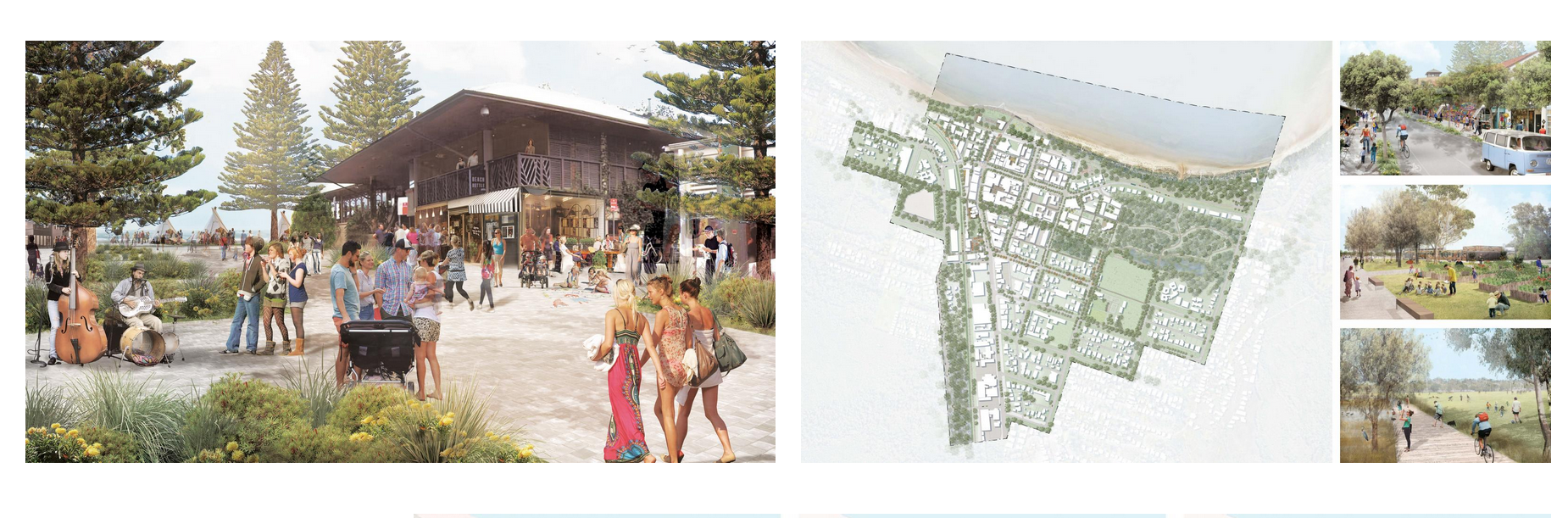
Master-plans are often referenced as strategic documents ☝️, yet — as with grant funding — there appears to be a disconnect between their importance and their implementation. Take the Byron Bay Town Centre Masterplan: now ten years old, it was used last year to justify the need for a Special Entertainment Precinct, yet many of its core public‑realm projects, such as pedestrian precincts, street furniture and public art, have never been prioritised or delivered. As development and population pressures increase, many locals feel there needs to be renewed focus on the future of Byron’s public spaces — creating a town that remains welcoming, accessible, green and community‑focused, rather than simply managing growth year by year.
The Byron Bay Masterplan is being audited in 2026 – we are compiling our own housekeeping review – we would love your feedback.
Overall, the Operational Plan shows the challenge of managing a large Shire with limited funding, and there’s a renewed focus underway to maintain public spaces and facilities. But many in the community want a clearer long‑term vision for how our parks, town centres and public spaces evolve as the Shire grows and changes.
Make sure you have your say … and
Sign up to our newsletter and tell us what matters to you in the 2481 postcode — because local voices have the power to shape local issues.