
Swamps, Polders, and Power:
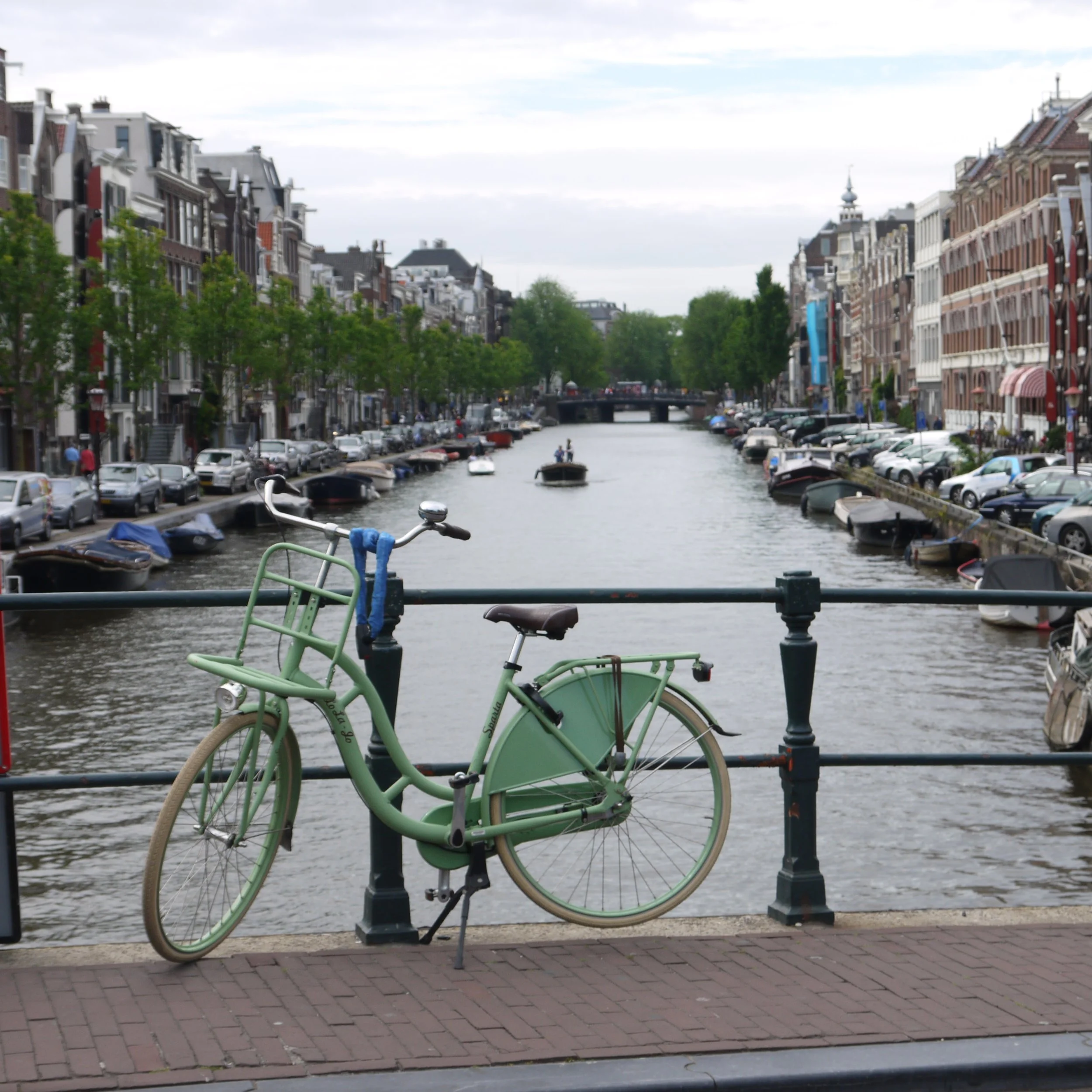
Who knew The Netherlands and Byron Shire would have anything in common?
Swamps, Polders, & People Power:
Applying the Polder Model to Byron
Polder [pohl-der] noun : An area of low-lying land, especially in the Netherlands, reclaimed from the sea or other body of water and protected by dykes.
What do The Netherlands and Byron Shire would have in common?
As the current Byron Drainage Project unfurls along Byron and Jonson Streets, the parallels are hard to ignore. Behind the jazz-hands of Byron Bay lies a complicated truth; this place is built on a swamp, surrounded by water on three sides (ocean, Belongil Creek, the wetlands) and is in constant negotiation with it.
With much of The Netherlands below sea level, managing water has long been a challenge the Dutch have refined over centuries through what’s known as the polder model. This approach dates back to the Middle Ages, when farmers, nobles, townspeople and other citizens worked together to maintain an intricate network of canals.
Polder model, noun: A form of consensus decision-making characterised by cooperation despite significant differences among parties.
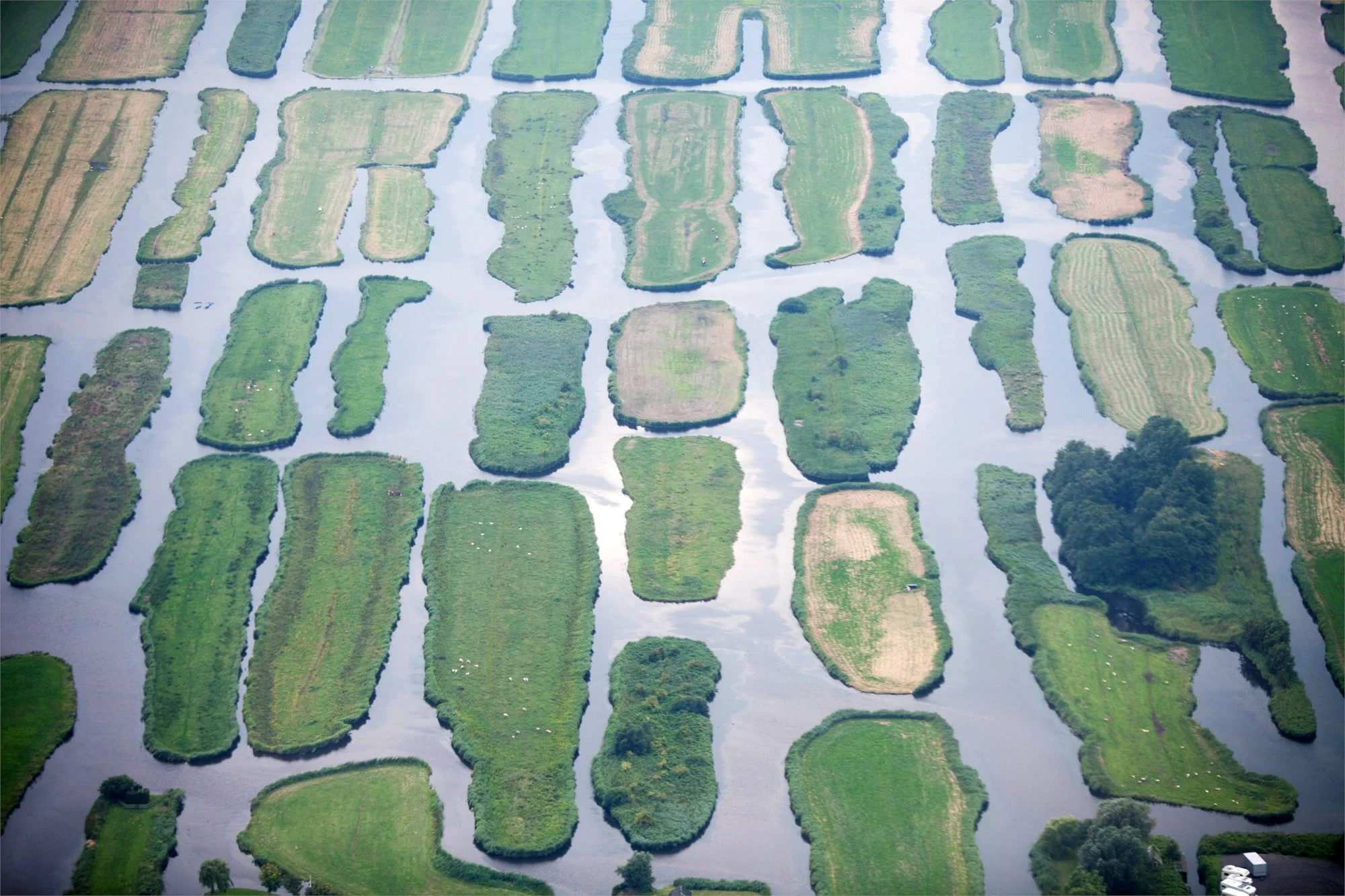
Polder landscape.
“In a world simultaneously parched and drenched, overheated and flooded, it should be clear that while these models help us scope out possible futures, nature will not be governed by them”.
The River is a Model
Oostzaan, 2013. [Jeroen Komen, via Flickr, under license CC BY-SA 2.0]
Why the polder model matters to us?
Today the polder model is a term for Dutch consensus-based decision-making, which originated from the necessity of cooperation in hydrology and water management. Just like the Byron Drainage Project it is part of a broader water management upgrade, see the Council website for more details.
As People of Byron has taken shape, we have grappled—as a small grass roots group—what kind of model we want to be. No one is keen to devote endless hours to a rigid structure that limits solutions. Time is precious, and people are understandably hesitant to commit to what can often be tedious meetings 😊
Instead, we have stepped away from the traditional ‘frameworks’ of resident associations and chambers of commerce in favour of an approach more closely aligned with the polder model. Collaboration within our group and existing groups across Byron Bay.
Our bi-monthly meetings bring together residents, business owners, committee members and P&C parents from different areas in the 2481 postcode. Beyond that, individuals make a point of connecting with different interest groups and attend a wide range of community meetings.
While the Dutch political landscape may not lean on this method as heavily as it once did, it is still characterised by the polder model—an approach grounded in consultation, a willingness to compromise, and the pursuit of broad agreement to avoid conflict and reach shared solutions.
People of Byron hopes to reflect this model: helping to unite a diverse and passionate community, and to support what makes this place so unique and free-spirited to live in—much like the feeling visitors experience in Amsterdam.
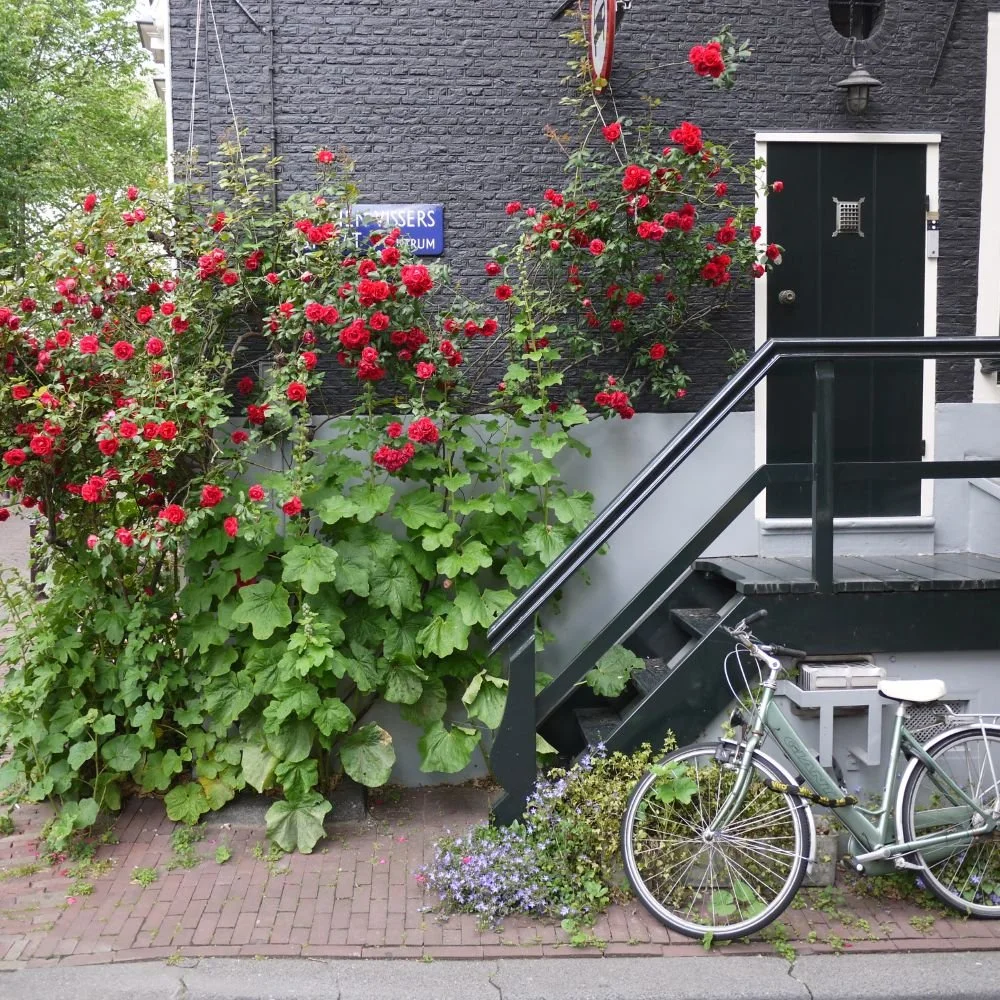
Maybe we could learn some place-making tips from Amsterdam too?