
Building a local food movement …
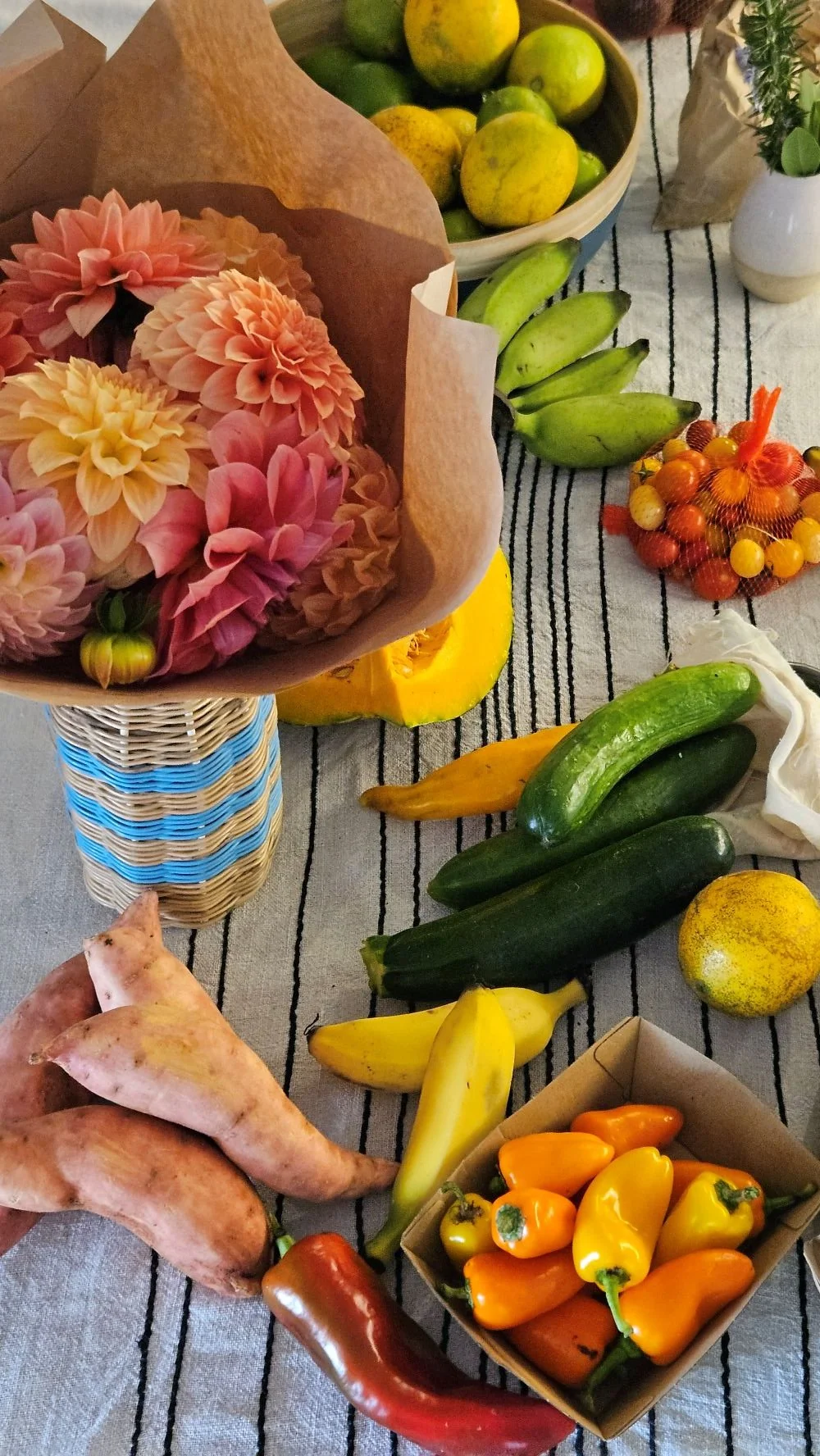
Rebuilding a strong local food movement needs people, money, and policy working for small-scale growers.
Find out why its more important than ever.
Why build a local food movement?
My work, until I die, is raising awareness about the importance of strengthening local communities and economies’, says @helenanorberghodge, founder of Local Futures.
This region is stacked with cafes, restaurants, farmers’ markets, grocery stores galore. Everywhere you look there’s food. Clearly we have pretty good systems for growing and distributing it. So why do we need local food?
The floods of 2022 feel like a long time ago now, but when we pause to remember, we all saw how blocked highways led to empty supermarket shelves around the region within days. Same with COVID and the bush fires of 2019 before that.
The current fuel shortages mean a new set of challenges for receiving food deliveries from the central food system. Not only will delivery trucks be prevented from travelling, farmers will struggle to access imported fertilisers and operate their machinery to grow their crops.
With our food sources becoming increasingly globalised and centralised, we're losing access to healthy, fresh food that's grown locally. We're all too familiar with the impacts of bush fires, floods and the pandemic on accessing food that's from the local region. Once roads become blocked or borders closed, the impacts on the supply chains are visible within a couple of days on our supermarket shelves.
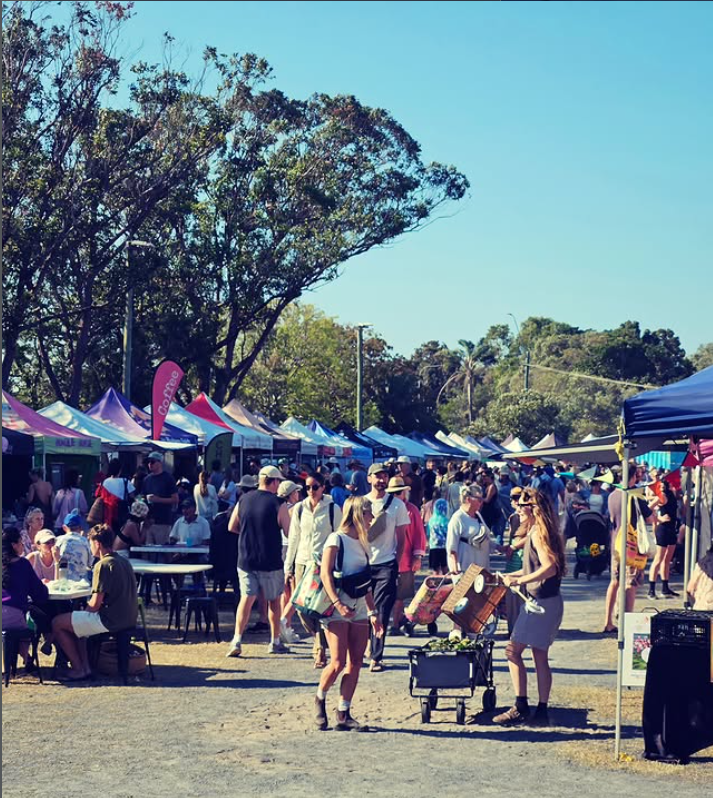
Farmers Market Joy.
Byron Farmers Market is one of the largest and longest running farmers markets in Australia. It is open every Thursday from 7-11am in Butler Street Reserve—supplying the community with local goodness.
Empty shops are a strong indication that most of the food consumed here is trucked in from outside our region. We shouldn't be this vulnerable to economic, environmental or political challenges that will keep coming - especially as we live in such a fertile region.
So, all of this points to the need for communities around the world to come together to build solutions to turn this Titanic around. With abundant farmland surrounding us in the Northern Rivers, if a local food movement can be built anywhere, surely it’s here.
Relocalise Northern Rivers says there’s plenty we can do, especially as consumers! 😊
It’s important to realise in the quest to re-localise our food system, this work is not just up to the farmers. It’s actually us, the end consumers, who can step in and make a difference. As the ‘99%’, we have the numbers to lend our weight to the cause in the following ways:
Start with developing an awareness of how the global system is impacting your consumption choices. Take a closer look at your food labels. How far has it travelled? Educate yourself, Local Futures’ has many illuminating films they are a great place to start.
Consider spending some of your shopping dollars to one of our local farmers’ markets. Research shows that the fresh food is at the point of purchase, the longer it lasts. NB: For those on a smaller budget, its okay that the supermarket may remain the primary source but prioritise veggies or fruit from a local farmers market where possible. No judgement here.
Get involved ! There are various projects that we’ll be discussing at our next Food Forever event, which relate to building the solutions to the obstacles our local food system faces. Solutions such as creating more retail opportunities for local farmers, more opportunities for young farmers without land to start farming (the average age of Australian farmers is 56) or options for investors to support the movement. For this we’ll be needing skills honed in the fundraising, philanthropic, legal, finance and marketing industries - no farming experience necessary!
Be kind to yourself & others—it’s not our fault we’re trapped in this global food system.
Farmers’ markets have been a vital and reliable food source, but they currently serve only a small portion of the population. Expanding local access will take collective effort.
So, all of this points to the need for communities around the world to come together to build solutions to turn this Titanic around. There’s much that we can do in the Northern Rivers!

Food Forever Discussion:
Join Relocalise Northern Rivers
Saturday April 25
2:00-4:30pm at Marvell Hall, 37 Marvell St, Byron Bay.
Tickets here.
Co-hosted by Local Futures and Relocalise Northern Rivers.