
State Significant Developments. Part I
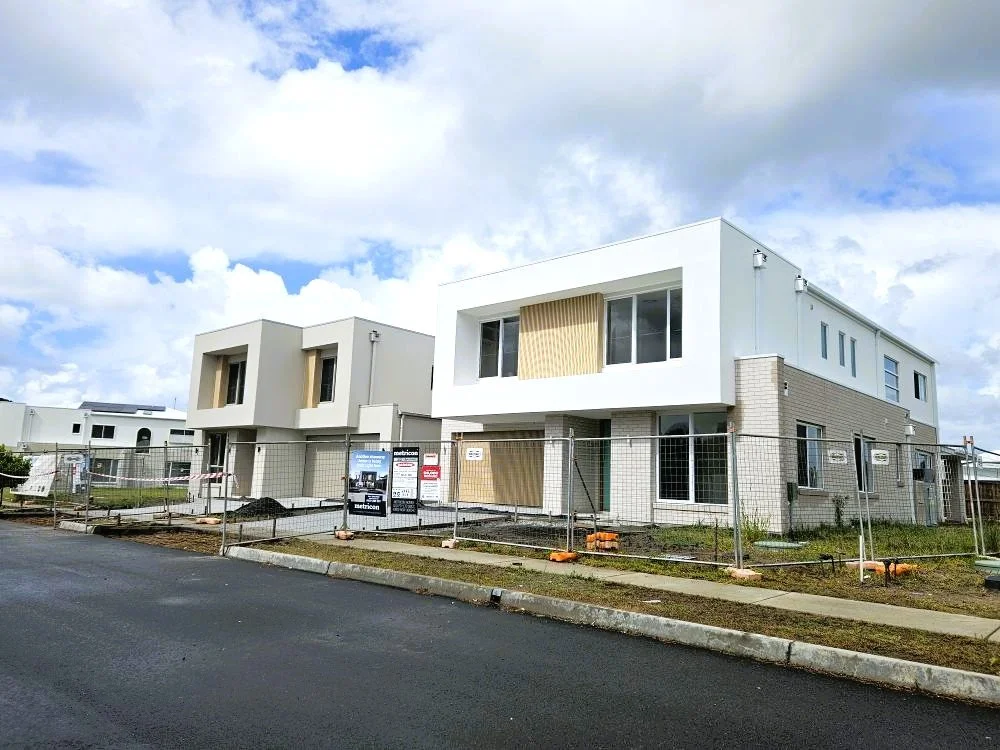
West Byron - a State Significant Site
How many are too many and why does this NSW Government pathway bypass Byron’s bespoke planning rules?
Currently Byron Bay is facing an unprecedented scale of development that removes Byron Shire Council as the planning authority. Many locals are only just discovering that three and four story, high-density projects are slated to move through the NSW Government SEARS / State Significant Development (SSD) planning pipeline around the same time. This could be coincidence or strategically planned – who knows?
Many approved developments (EADE, The Bonobo, Mare, The Secret Garden) are under construction in Byron Bay—three more major projects earmarked for SSD or Regionally Significant Development:
· Oasis Resort (DD Living) - 80 Butler St/ Glen Villa Site and 12 Bay St (200 apartments)
· The Jonson/Browning Street (JD Property Group) - Mixed-used proposal (190 apartments)
· The Swell Hotel - 11 Butler St, proposal for (70 dwellings) & the ubiquitous wellness facilities.
*Most alarming is 90-96 Jonson Street a proposal for 110 apartments and 21 metres high. The NSW Planning register confirms that the Order was published on 7 July 2026. The application was made by Luxcon Group, whose founder and managing director Ilya Melnikoff is a grand-nephew of Meriton founder Harry Triguboff.
Recent community engagement sessions for two of the proposals raise fundamental questions about whether the impacts are being assessed as an interconnected development pressures on the town, rather than as isolated projects. These three properties will feed into the Butler St bypass.
Should a globally recognised tourism town like Byron Bay with high environmental values be assessed differently when multiple State Significant Developments are proposed concurrently?
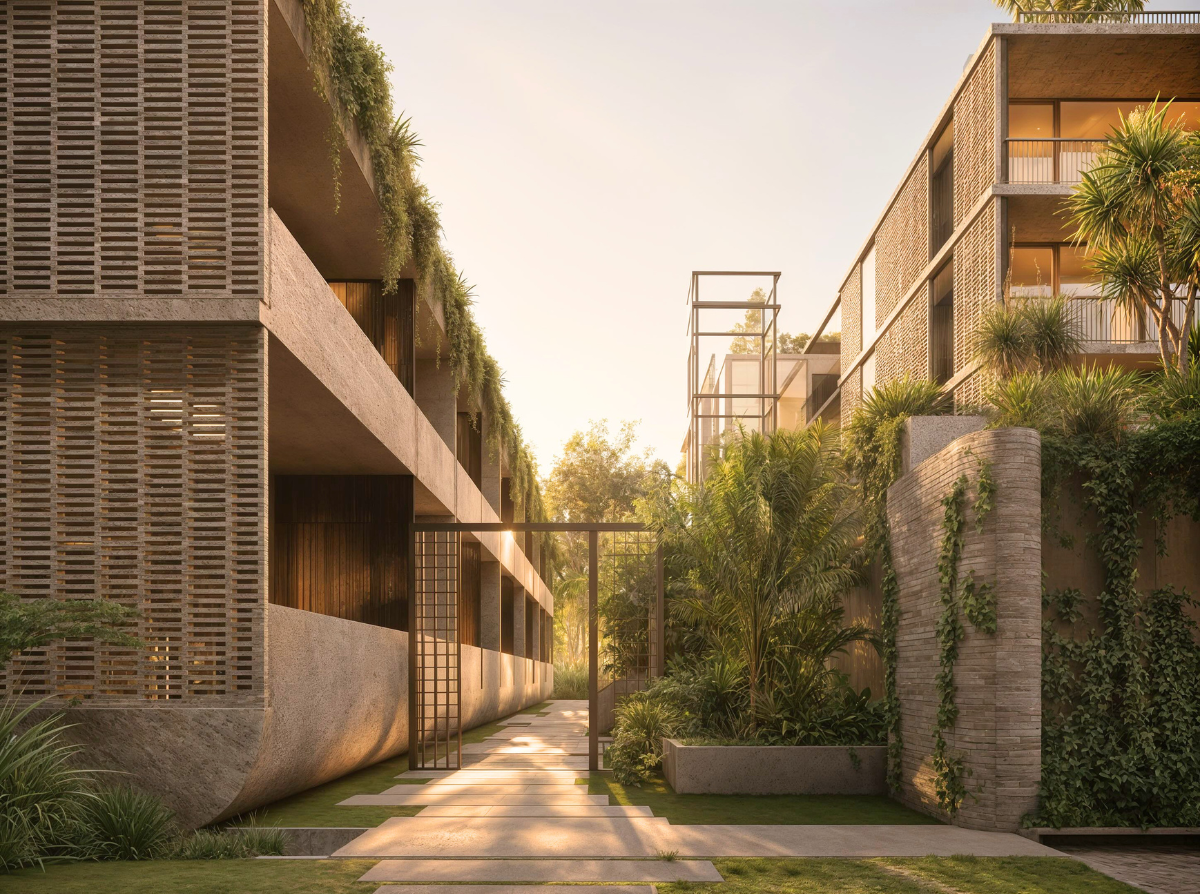
190 Apartments..
The Jonson/Mitre 10 development will use the Housing and Development Acceleration Pathway (HDA).
This pathway is deliberately faster and designed to override many of Byron’s carefully built local planning controls.
It is widely acknowledged that Byron Bay and the broader Shire need more housing to meet the needs of the diverse people who live and work in this region. However, with exceptionally high land values and continually rising construction costs, an important question remains: what kind of housing is being delivered, and who is it intended to serve?
The SSD pathway bypasses Byron Shire Council and limits the local community in shaping decisions that will permanently alter the character, liveability and built form of the town. Height bonuses and increased floor space ratios are a key element when affordable housing is included. While State intervention may be appropriate for projects of genuine strategic significance, it should not come at the expense of transparent, integrated planning or meaningful local participation.
If you live in Byron Bay, you'll know our town has its limitations—and that's long been part of its understated, ramshackle charm. Most locals love Byron for its scale, character and natural environment. But those same qualities also mean our limited road network (potholes inclusive), water and drainage infrastructure will always struggle with congestion, flooding and the growing impacts of climate change.
Yet major developments continue to be assessed one by one. What seems to be missing is the accumulative outcomes. How will all of these developments, taken together, affect traffic, emergency access, infrastructure, flooding, housing affordability, public amenity and the quality of life that makes Byron such a unique place?
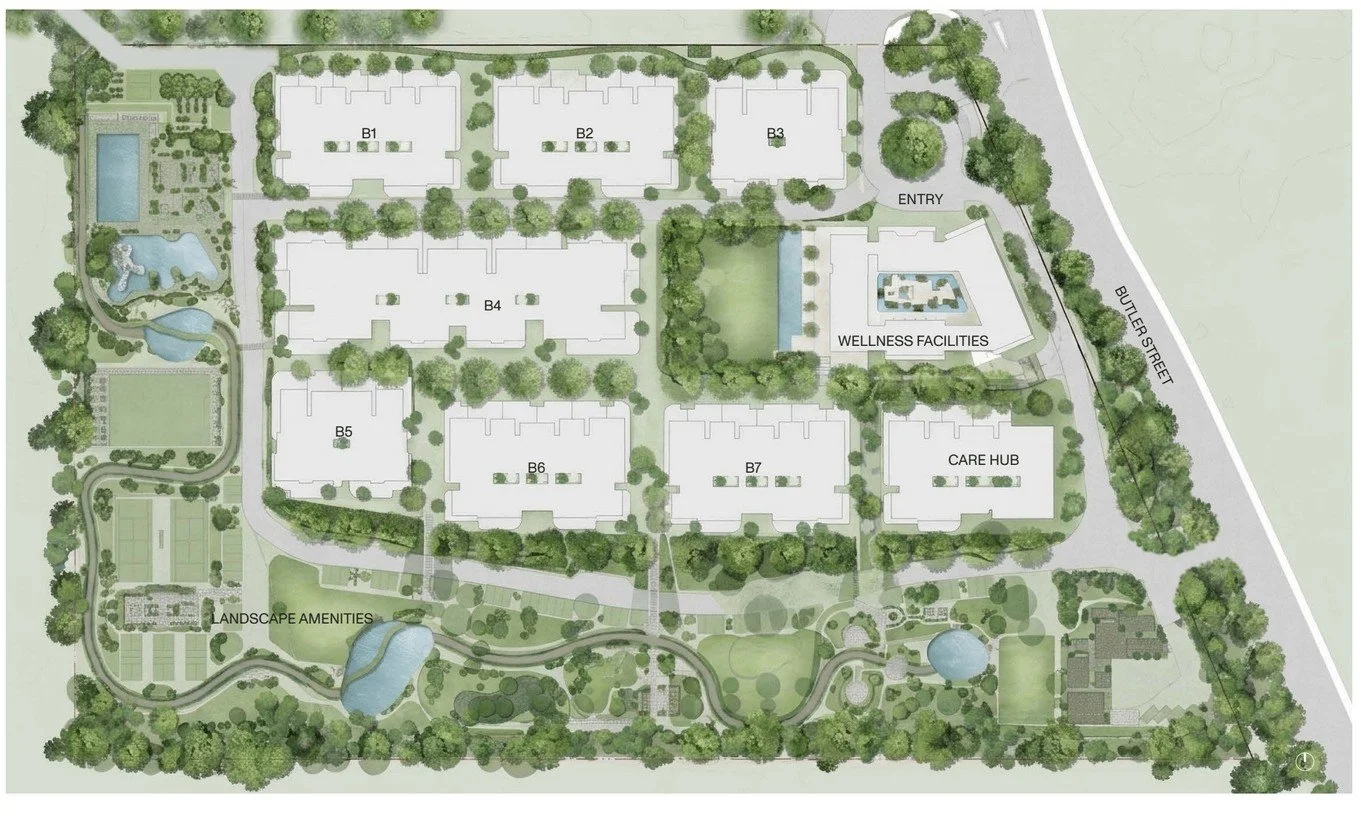
200 Apartments
80 Butler St - is a private luxury retirement living project deemed a Regionally Significant Development (RDA) meaning -it is not assessed by Byron Shire Council and can override local character or town master plans.
Will these developments provide the types of homes Byron actually needs?
Who will be able to afford to live in them?
Can our roads, water, drainage and emergency services cope with the combined impacts?
Are they climate responsive? Is there any social housing?
Is there a risk of losing the very character and regional qualities that make Byron Bay unique?
Locals are right to be cautious about any kind of fast-tracked SSD process…
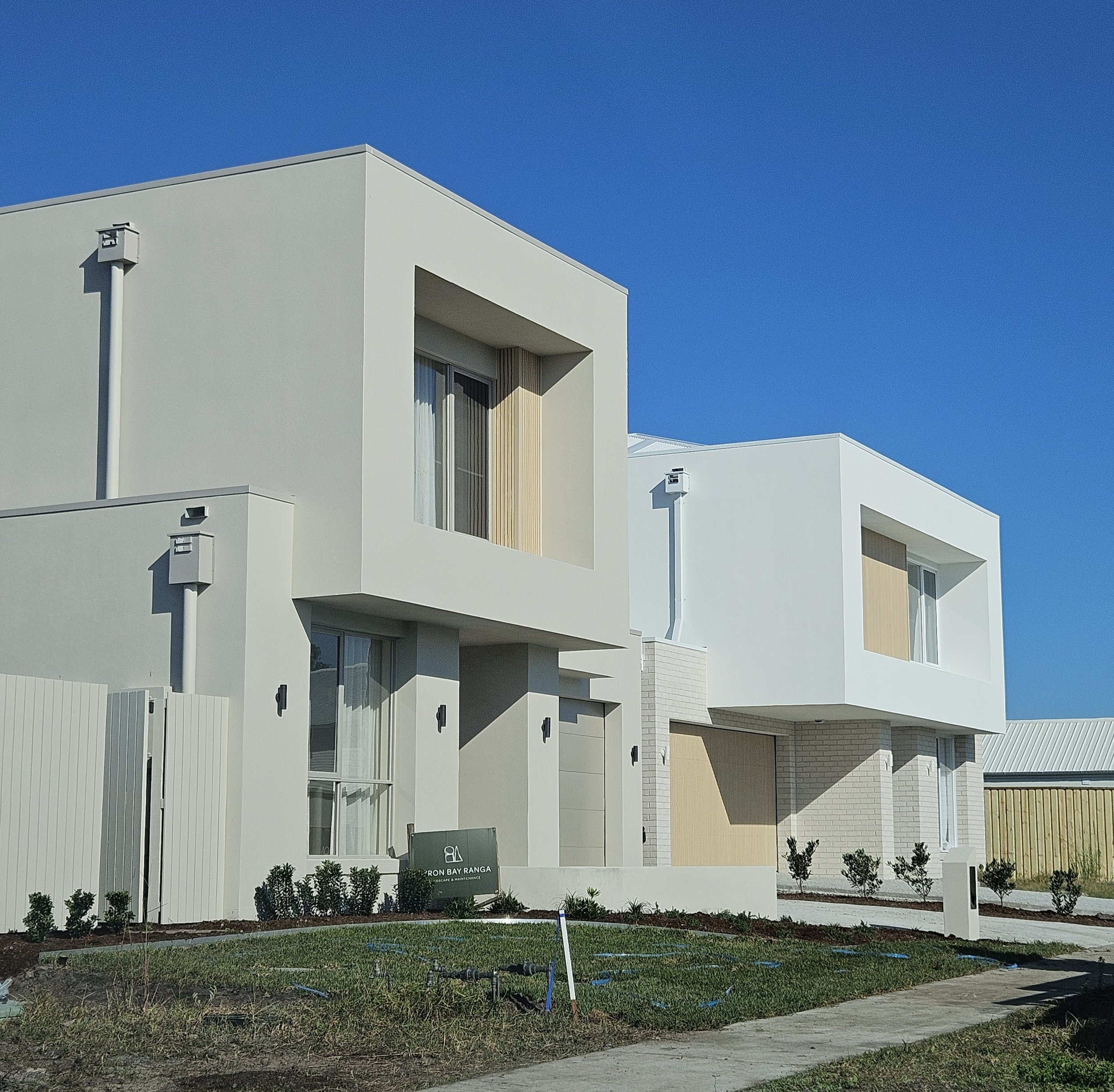
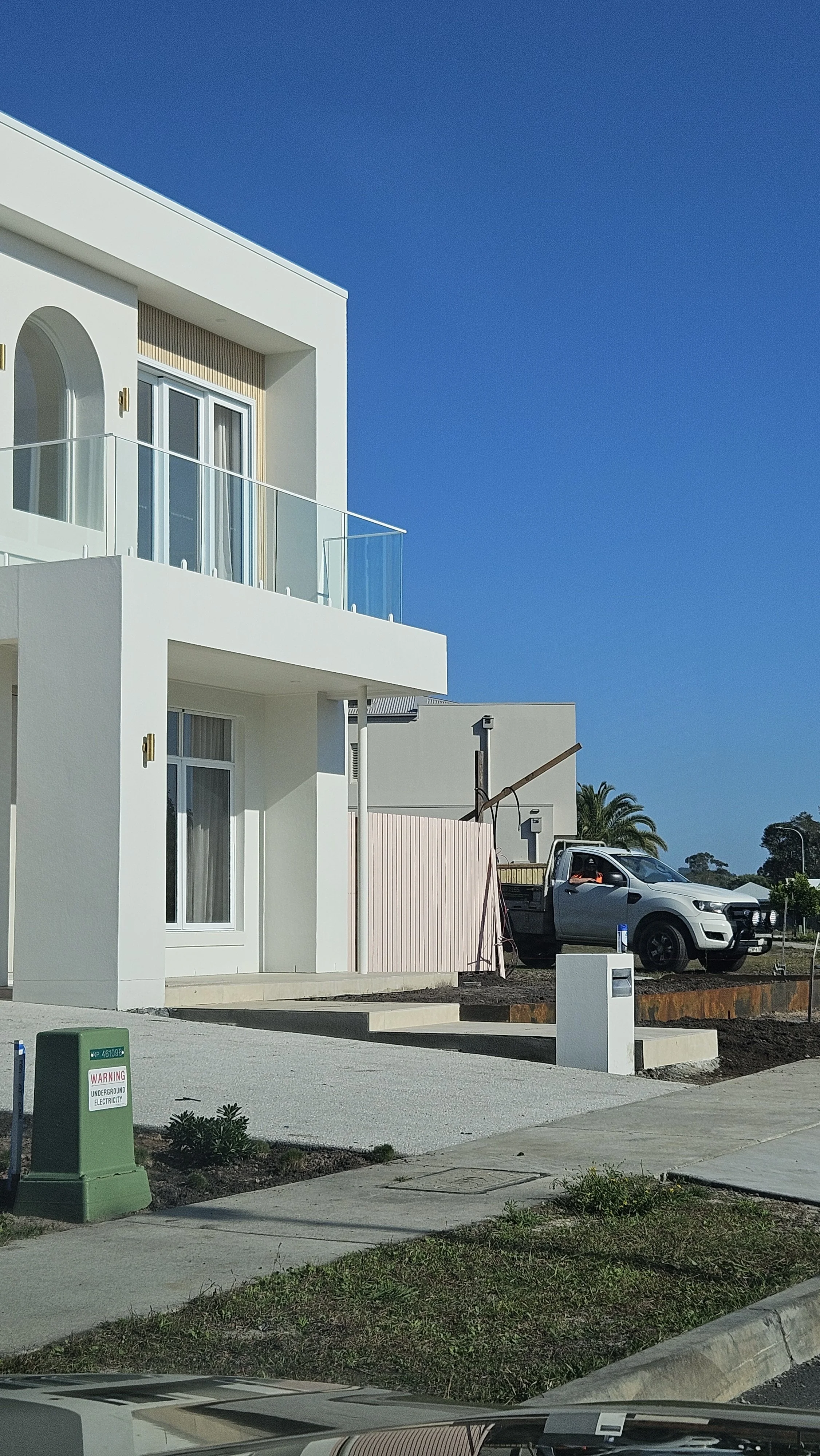
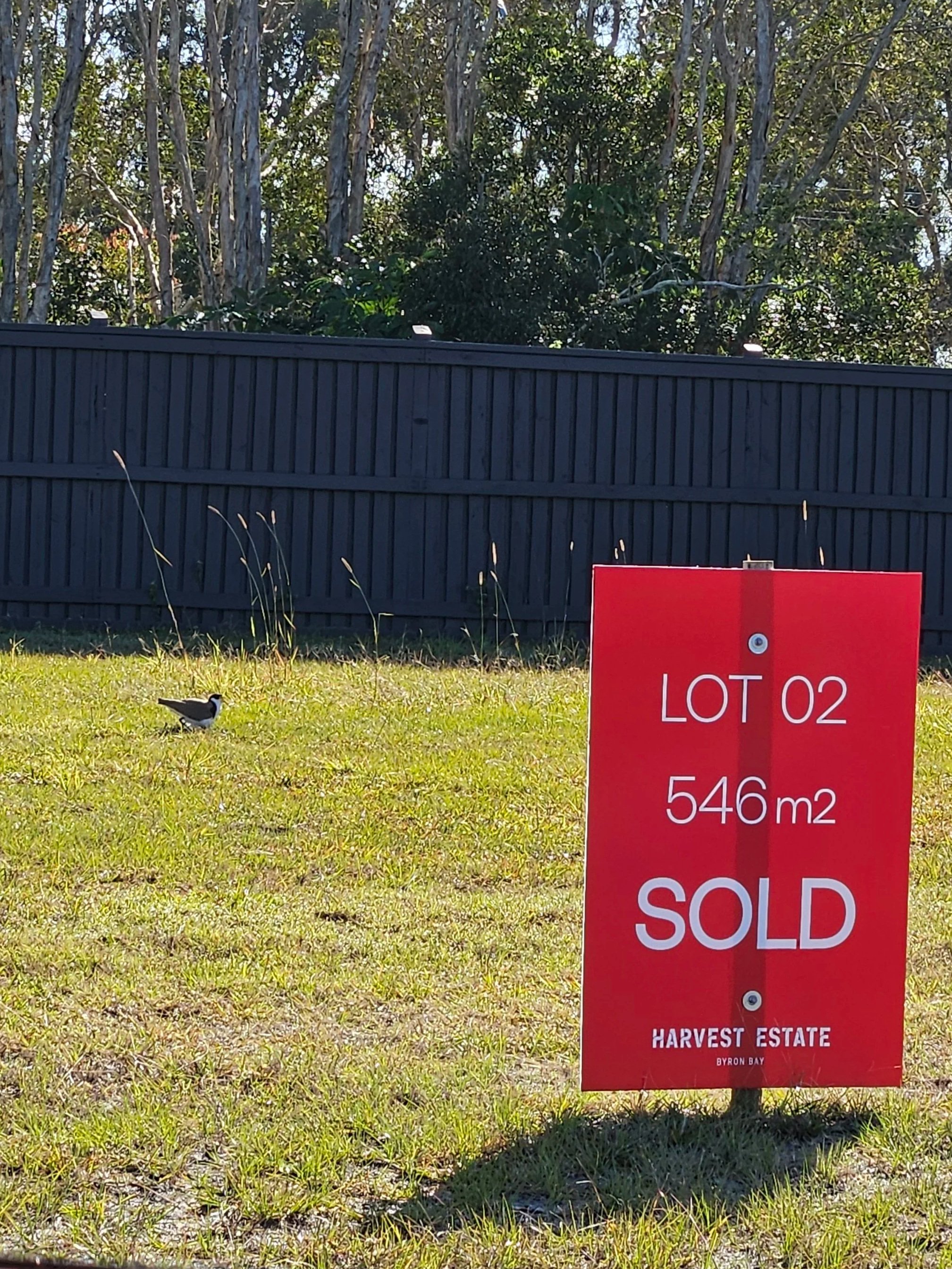
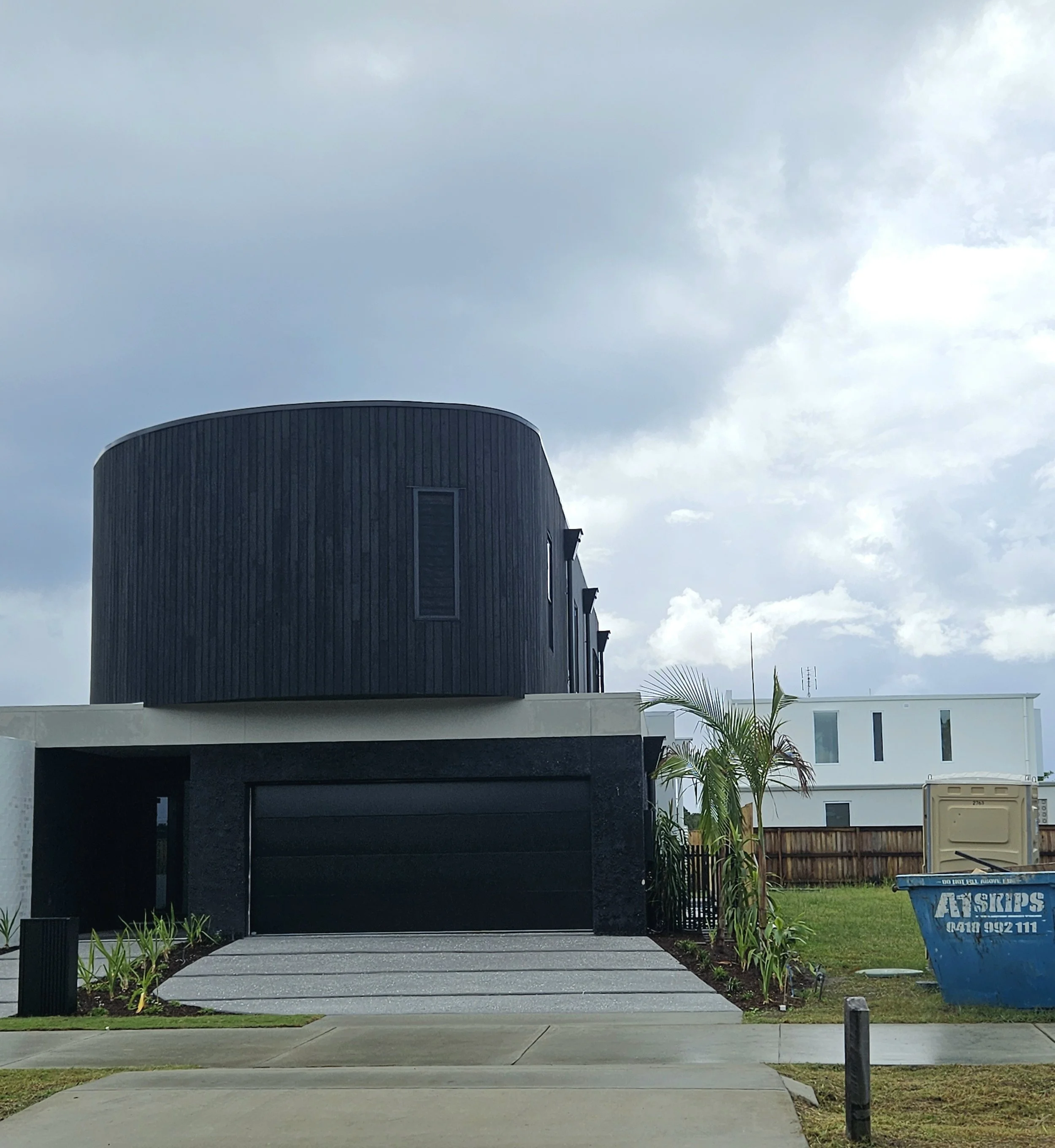
West Byron was approved after a decade of community resistance, and the outcomes appear to fall well short of what the community expected. A 479M2 block of vacant land is currently for sale for 1.4 million and the housing being built is more suited to the Gold Coast than the Byron Shire.
There is a lot of talk about Design Excellence, but what about ‘design dilution’ and is there an authority that checks on State Significant developments once they have been finished or don’t deliver ?
The housing at West Byron could be a case study.
How SSD Interacts With Local Planning Controls —
and Why Byron Wasn’t Protected?
The Jonson /Browning St development will use the Housing and Development Acceleration Pathway (HDA), alongside a Design Competition pathway which is available for two years. This sits inside the State Significant Development (SSD) system, meaning any project that qualifies as HDA is automatically assessed as SSD.
This pathway is deliberately faster and designed to override many of Byron’s carefully built local planning controls — including Local Environment Plan height limits, Development Control Plan design rules, local planning strategies, environmental framework, and community-endorsed masterplans. (Much like the Special Entertainment Precinct last year).
These planning controls were created over decades specifically to protect Byron’s fragile coastline, ecological constraints, water‑limited growth pattern and village‑scale character.
Yet the SSD mechanism allows large housing‑led proposals to override these local rules, replacing them with a state‑level assessment process that prioritises yield and delivery speed over place‑based planning.
Sydney CBD, North Sydney and Parramatta core CDB are excluded from the SSD Pathway - why ?
The NSW Government chose to exclude Sydney CBD, North Sydney and Parramatta commercial cores from the SSD pathway because those areas already have bespoke *LEPs, major precinct frameworks and planning controls the government did not want overridden. For example: height and density controls tied to specific precinct strategies like retaining commercial spaces.
Ironically, Byron Bay also has bespoke planning instruments— arguably more sensitive and more community‑crafted than any metropolitan CBD — yet Byron Bay was not excluded.
As a result, multiple SSD projects can now attempt to override the very mechanisms designed to protect Byron’s identity, while metropolitan centres were shielded from the same risk.
Two of the current development proposals want to exceed the towns hard won 9 metre height limits - Jonson St (16 metres) and 11 Butler St (14 metres).
If the NSW Government chose to protect planning frameworks in Sydney, North Sydney and Parramatta CBD's from SSD, why wasn’t Byron — with its own finely tuned and environmentally sensitive planning controls — treated the same way?
With both SSD and RSD operating at once, Byron now faces two powerful pathways that bypass Council — one that overrides the rules themselves, and another that overrides Council’s ability to apply bespoke planning rules. For a small town ~ these impacts are not temporary ~ they are forever.
““A doctor can bury his mistakes, but an architect can only advise his clients to plant vines.””
-
A recent Four Corners investigation examined whether SSD are delivering the ‘affordable housing’ promised under this pathway and the additional ‘height’ bonus and floor space ratio for including 15% affordable housing…
See it on IVIEW -
Regionally Significant Developments do not override LEPs and DCPs in the same legal way SSD does — but it does override Council’s decision‑making power, which for the community can feel similar and be just as impactful in the long term.
-
An LEP (Local Environment Plan) is the legal rulebook for what can be built in a local area — zoning, height, density, land use and environmental protections.
A DCP (Development Control Plan) gives the design detail — how buildings should look, fit into the streetscape, manage parking, landscaping, setbacks and neighbourhood character
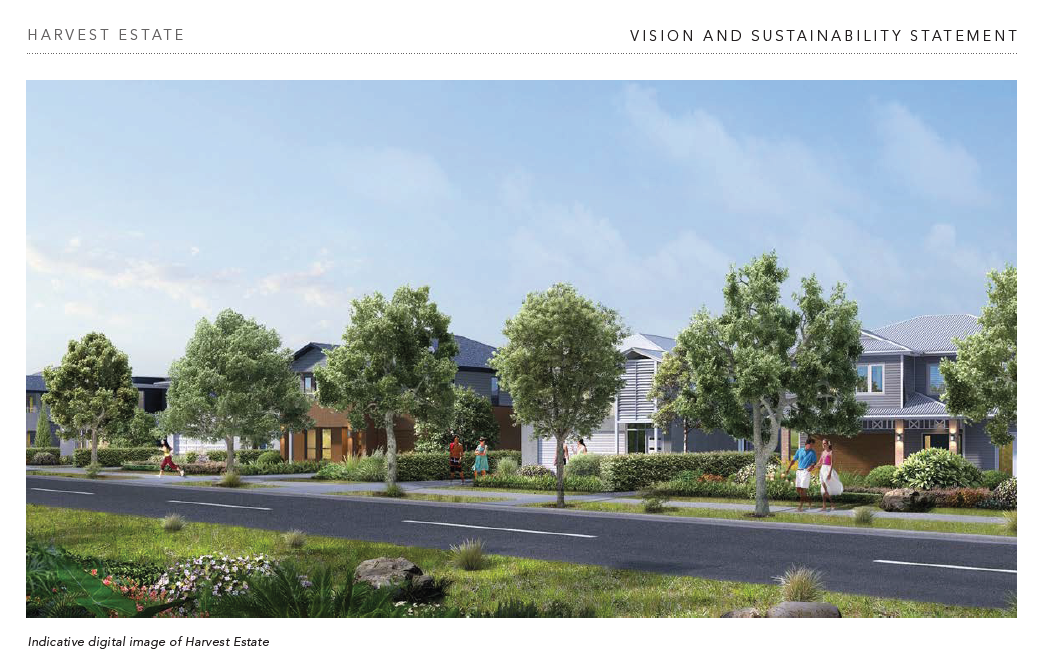
West Byron Housing Estate
The marketing materials portray a very different reality to what has been built on this State Significant Site.
Images from Planit Consulting Materials 2020.
Sign up to our newsletter and tell us what matters to you in the 2481 postcode — because local voices have the power to shape local issues.