
So Special Rate Variation
*SRV - what the community should be asking.
Council has given the community a lot to read about the proposed Special Rate Variation (SRV).
Financial reports. Asset backlogs. Forecasts. Graphs. Tables. Addendums.
It’s a lot of information…
View the stakeholder overview 👇🏼 scroll to the bottom to read some of the questions that were put to Council staff.
Byron Shire Council has a deep infrastructure backlog. But how deep is it — what is actually covered by the SRV, and what infrastructure pressures sit outside it?
We can’t cover all the issues but it’s not just the infrastructure backlog — it’s consultant and staffing costs, organisational inefficiencies and climate and weather events.
At the same time Byron Shire is experiencing population growth, significant new development impacts along with the visitor economy.
These all place additional pressure on infrastructure and services.
Yet the SRV material doesn't clearly tell the community the full story.
Water and sewerage not included
Water and sewerage are not part of the proposed SRV expenditure, but that doesn't mean they aren't part of the bigger infrastructure picture.
The Development Servicing Plan shows Byron’s sewage treatment plant is due for a major upgrade in 2030. With growth pressures rising, the community needs clarity on whether this upgrade is fully funded — or whether future shortfalls will ultimately fall back on ratepayers.
How much growth can the existing system accommodate?
What additional capacity will be required as development and population increase?
What will that infrastructure cost in 3 years time?
And what part of that cost is being recovered from development, rather than from existing ratepayers?
The SRV material identifies a projected $17.7 million water and sewerage infrastructure backlog over the next 10 years.
But that is not the same thing as showing us the infrastructure capacity required to accommodate future growth.
Development has a cost
This is particularly important when development values in Byron have increased so dramatically.
Development creates additional demand for infrastructure. But Council has told us that it is already charging the maximum developer contributions permitted by the NSW Government: up to $20,000 per residential lot, or 1% of construction cost for non-residential development. See previous post on developer contributions.
So the question isn't simply why Council doesn't charge developers more. Council says it can't.
The bigger question is:
Does the State-imposed contribution cap actually cover the infrastructure demand created by development in a place like Byron?
If it doesn't, who pays the gap?
It’s clear ratepayers pick up the difference — while State and Federal Governments keep the stamp duty and tax revenue.
Meanwhile, luxury apartments can sell for millions of dollars while long-term residents face continually increasing rates and straining infrastructure.
Development is one source of additional demand.
Tourism is another.
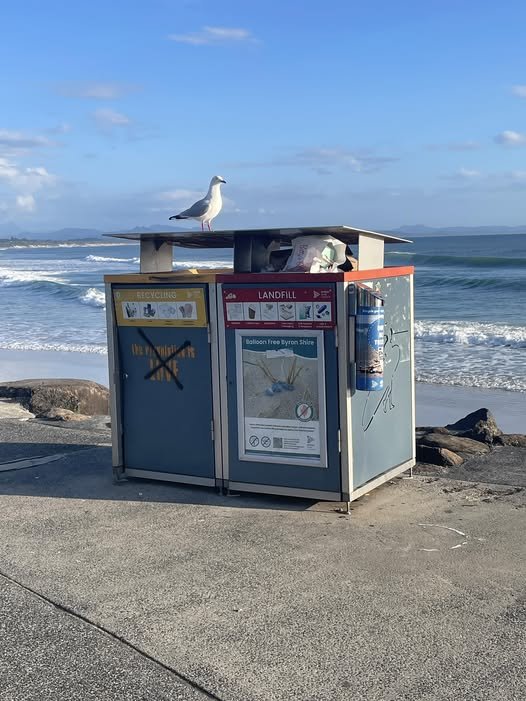
The report identifies a clear trend: “the escalation of rubbish and litter, specifically in hotspots like Byron Bay.” Tourism‑driven waste is now a major pressure on Council’s operating budget, forcing year‑round clean‑ups that residents effectively pay for. Any discussion of the SRV needs to recognise this imbalance — and the cost of maintaining the public spaces that visitors and locals rely on.
In April, a resolution was tabled for Council to commission a study on the financial impacts of tourism. The current status is that staff are in discussions with potential universities.
It is now October.
Our roads, toilets, parks, public spaces, waste services, water and other infrastructure are used by millions of visitors.
Byron is actively promoted as a major visitor destination, yet the SRV material does not clearly quantify the additional infrastructure and service costs associated with tourism — or the level of State and Federal investment Byron receives to support that role.
This is not an argument against tourism.
It is a question of who pays for the infrastructure required by a place that governments and industry actively promote as a national and global destination.
Have your say in a number of ways.
Don't get lost in the 100 + pages of information.
Look at what other residents have already asked or suggested.
Co-ordinate with others raising similar points.
Council states that it has identified and considered a range of alternative measures, including service reductions, deferring projects, efficiency measures and other cost-saving options.
We need to know what these are.
You can also use the “Ask the Council a Question” tool.
Also view the cost-cutting suggestions locals have made 😉
If you're making a submission, these are the issues we think are worth asking about:
1. WATER & SEWER
What is the current and projected capacity of Byron Bay's water and sewerage infrastructure, and what additional capacity will future growth require?
2. DEVELOPMENT
How much infrastructure demand is being generated by new development? Given that NSW Govt caps development contributions at 1% what is the gap and how much is being left to existing ratepayers - can the percentage be increased ?
3. TOURISM
What does it actually cost Council to service Byron's visitor economy, and what proportion of those costs is funded by visitors, tourism-related revenue and State or Federal Government?
4. THE SRV
How much of the proposed rate increase is genuinely required for existing infrastructure renewal, and how much relates to accommodating growth and additional demand?
These seem like pretty basic questions when residents are being asked to permanently increase the rates they pay.
Council's consultation has been extended until November 2026.
A special meeting is scheduled for 3 December 2026, with an IPART application expected in early February.
If residents are being asked to pay more, what is actually driving the increased demand on Byron's infrastructure — and who should be paying for it?
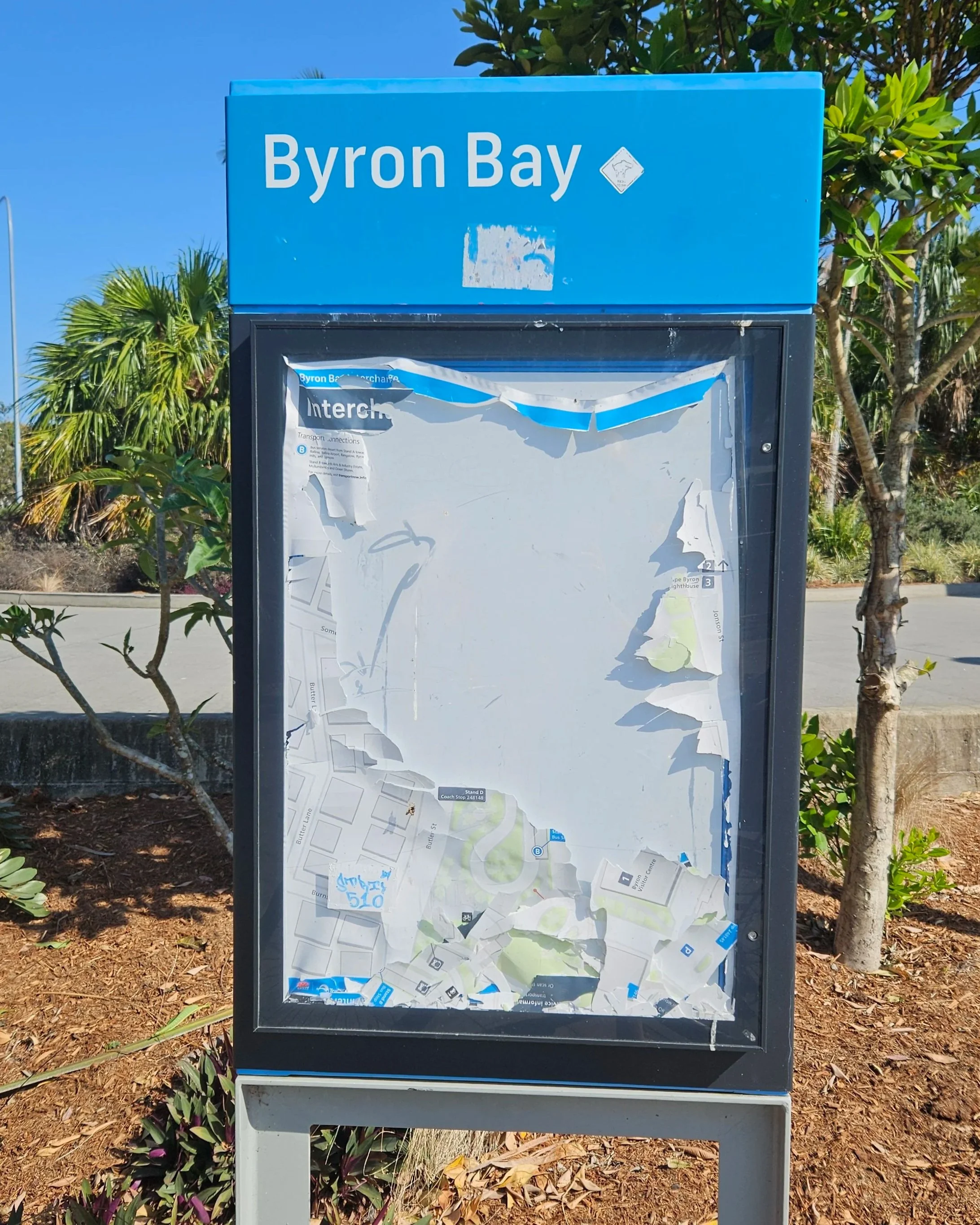
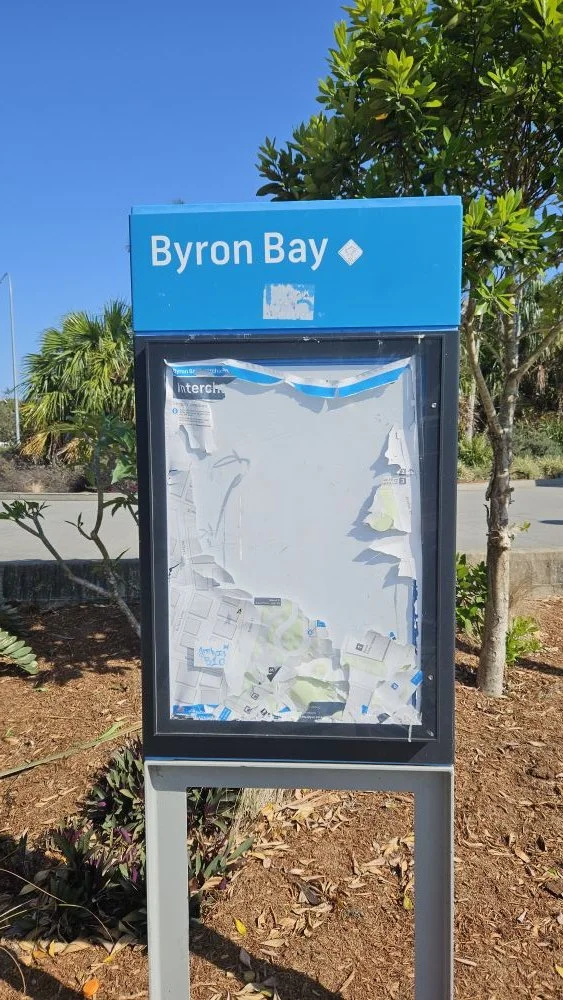
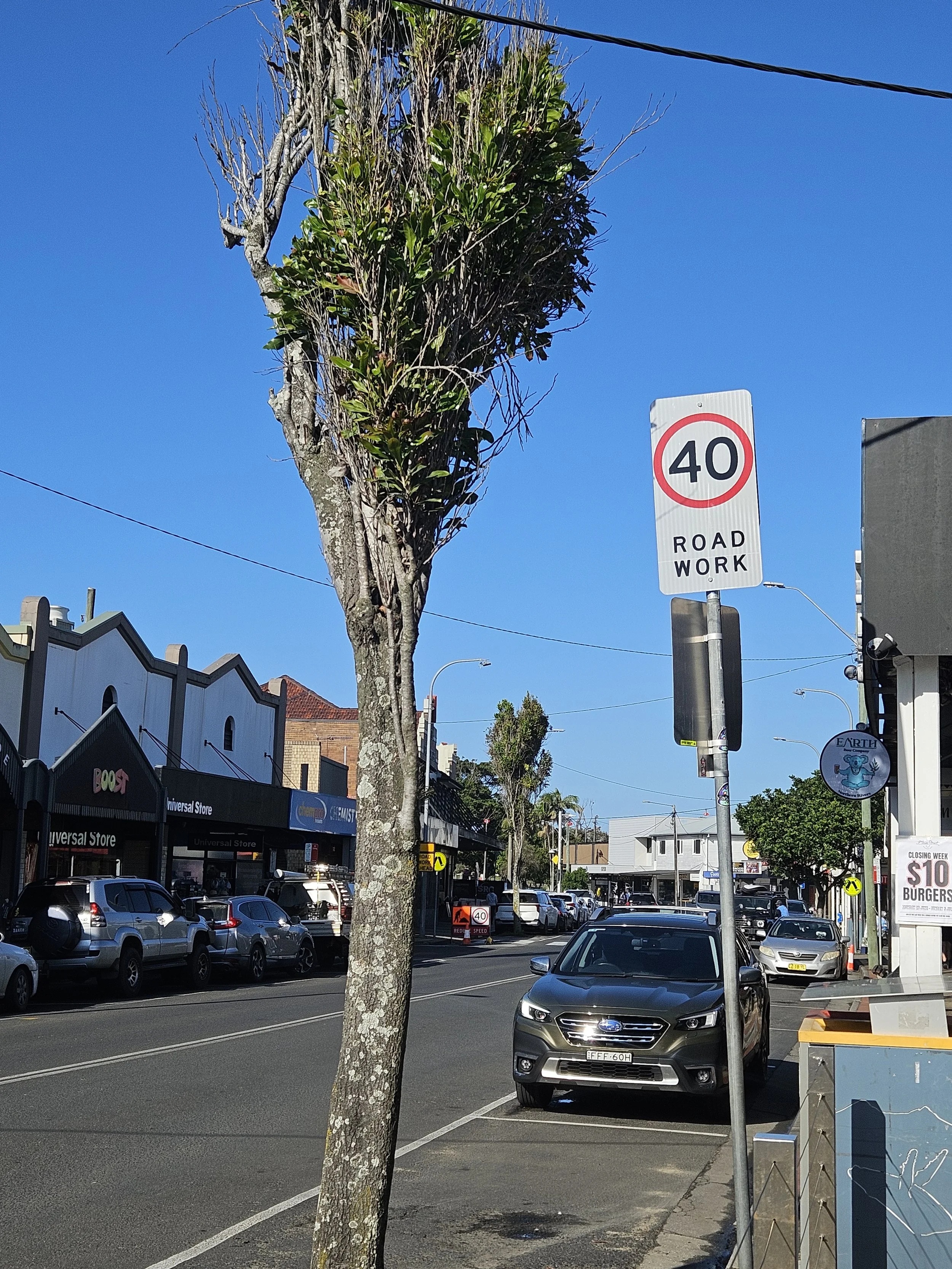
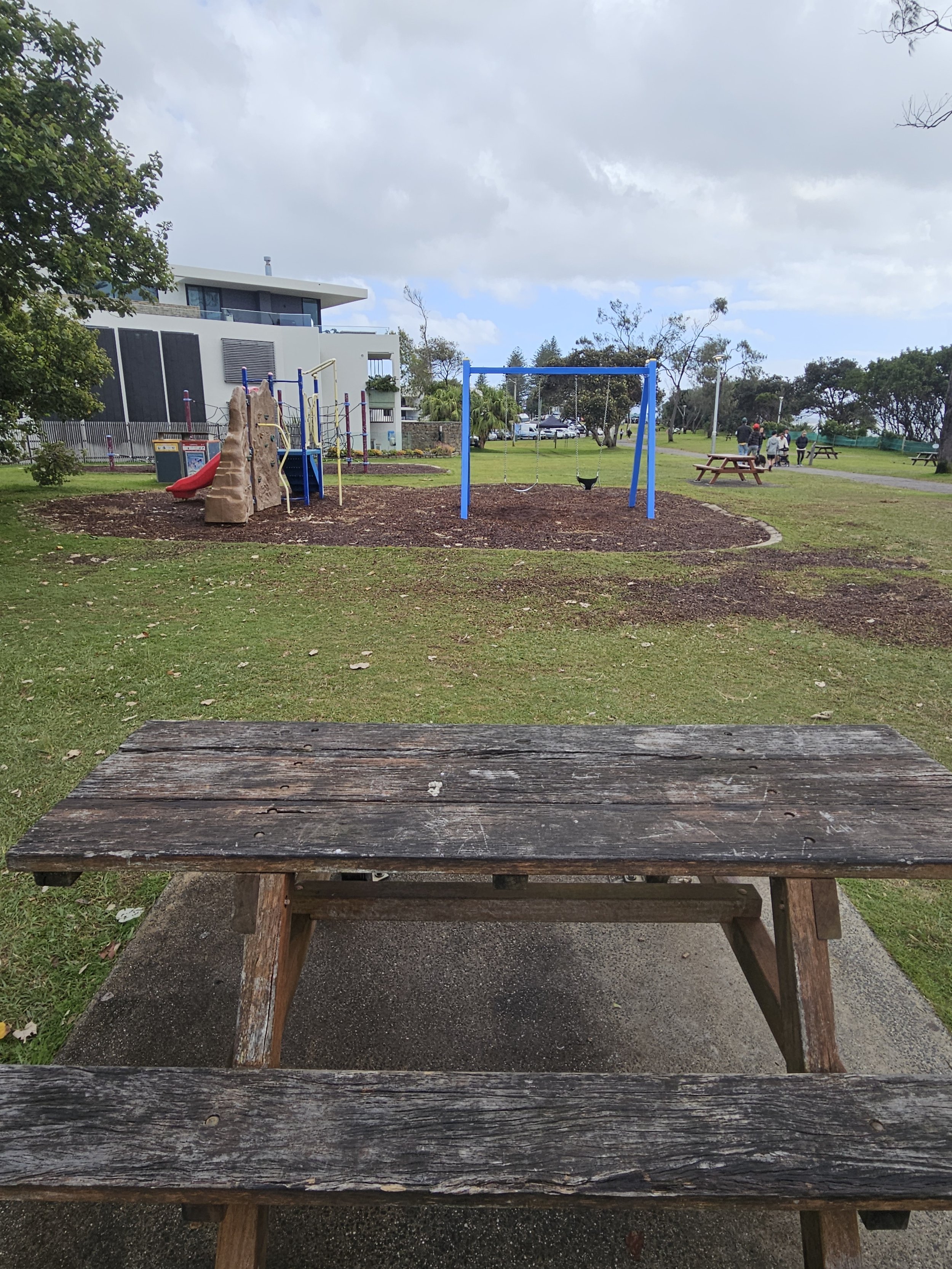
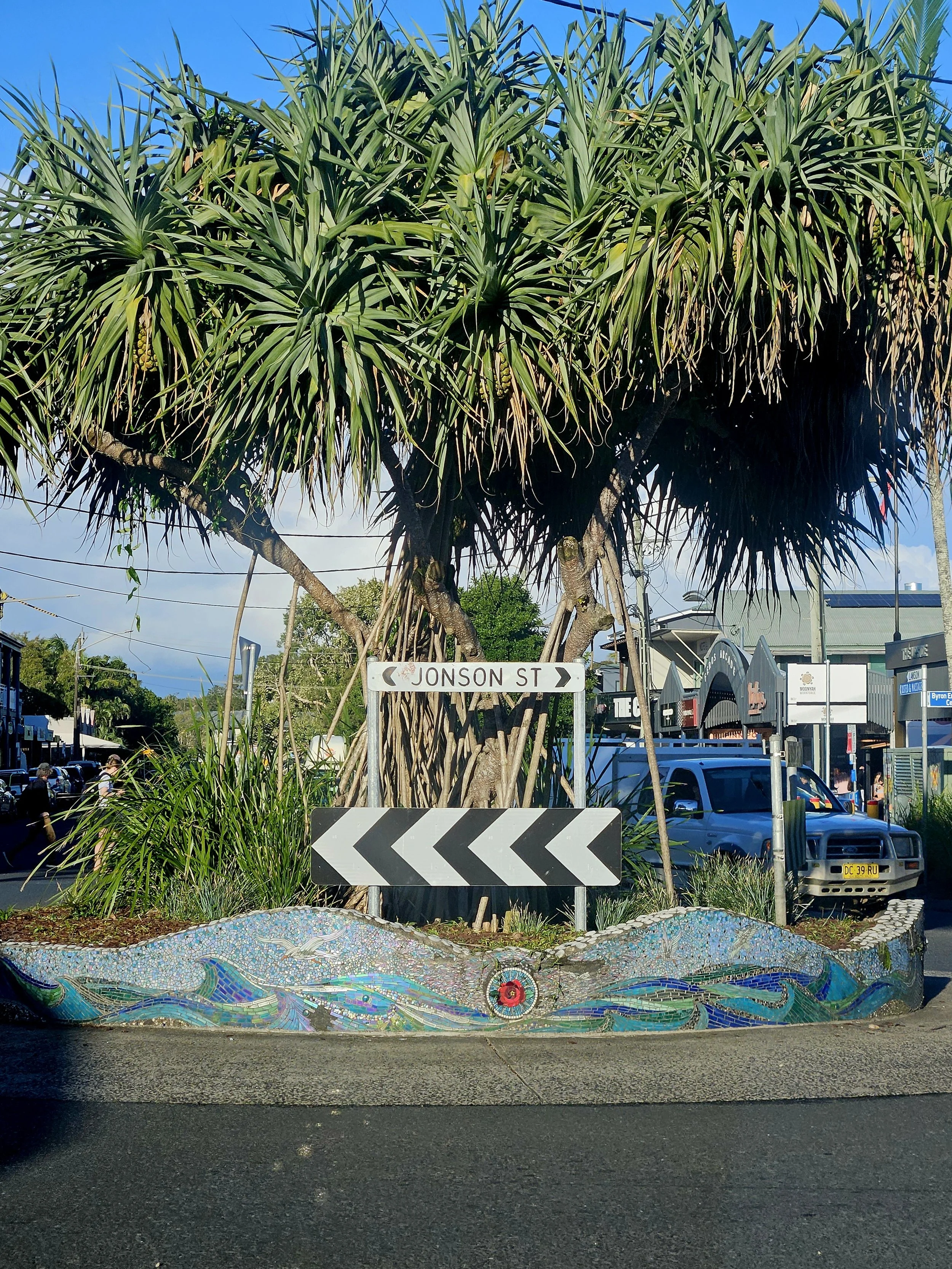
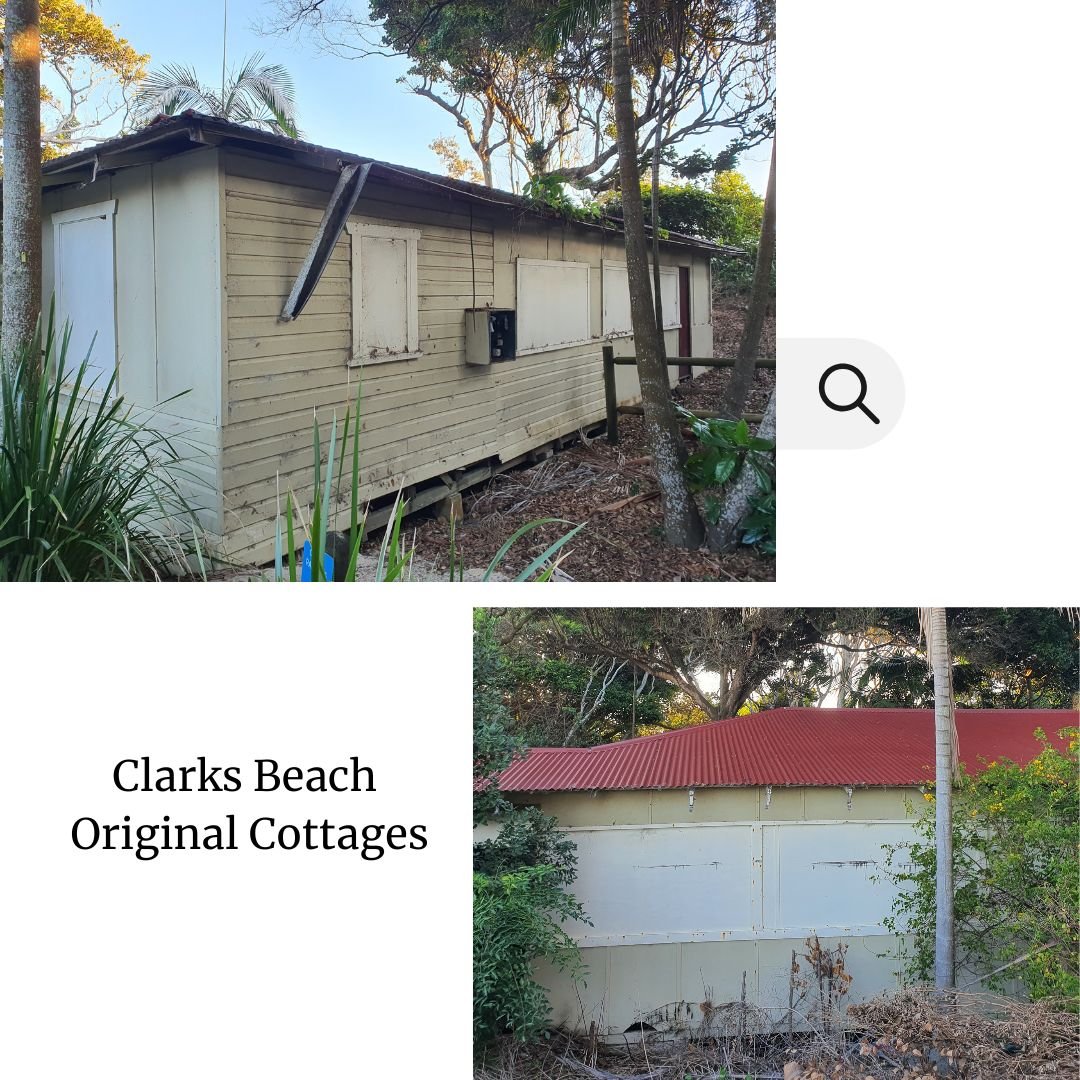
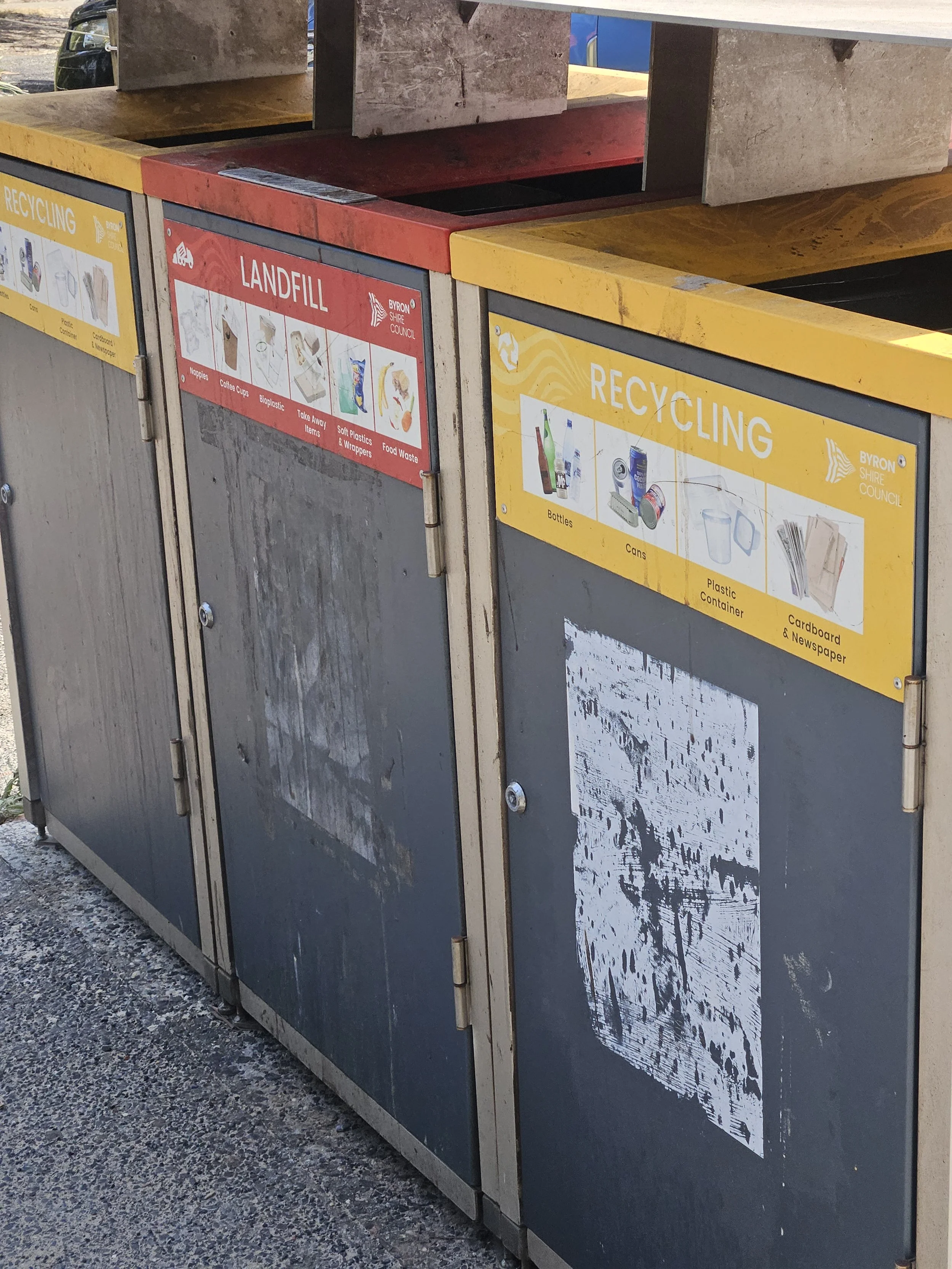
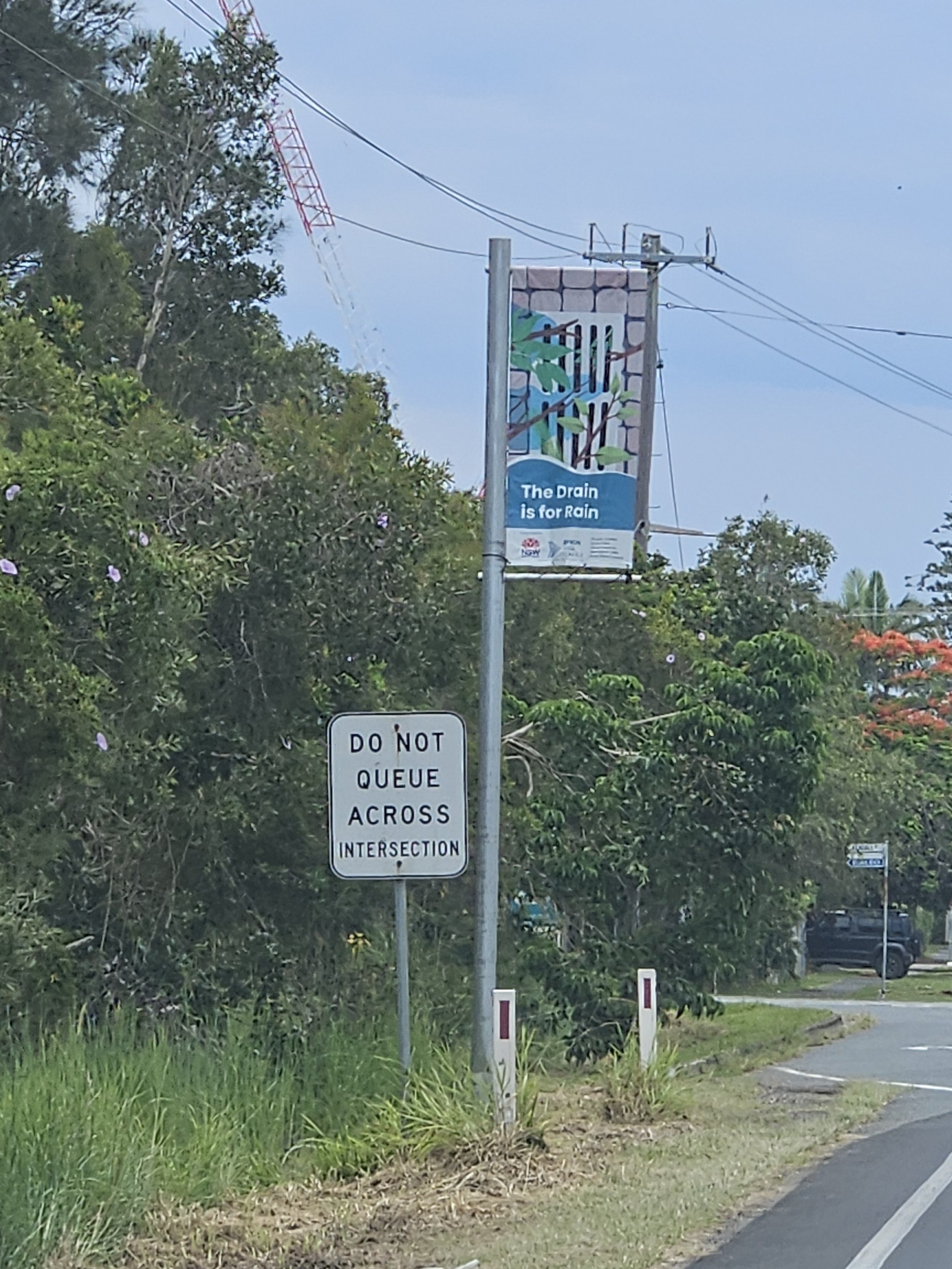
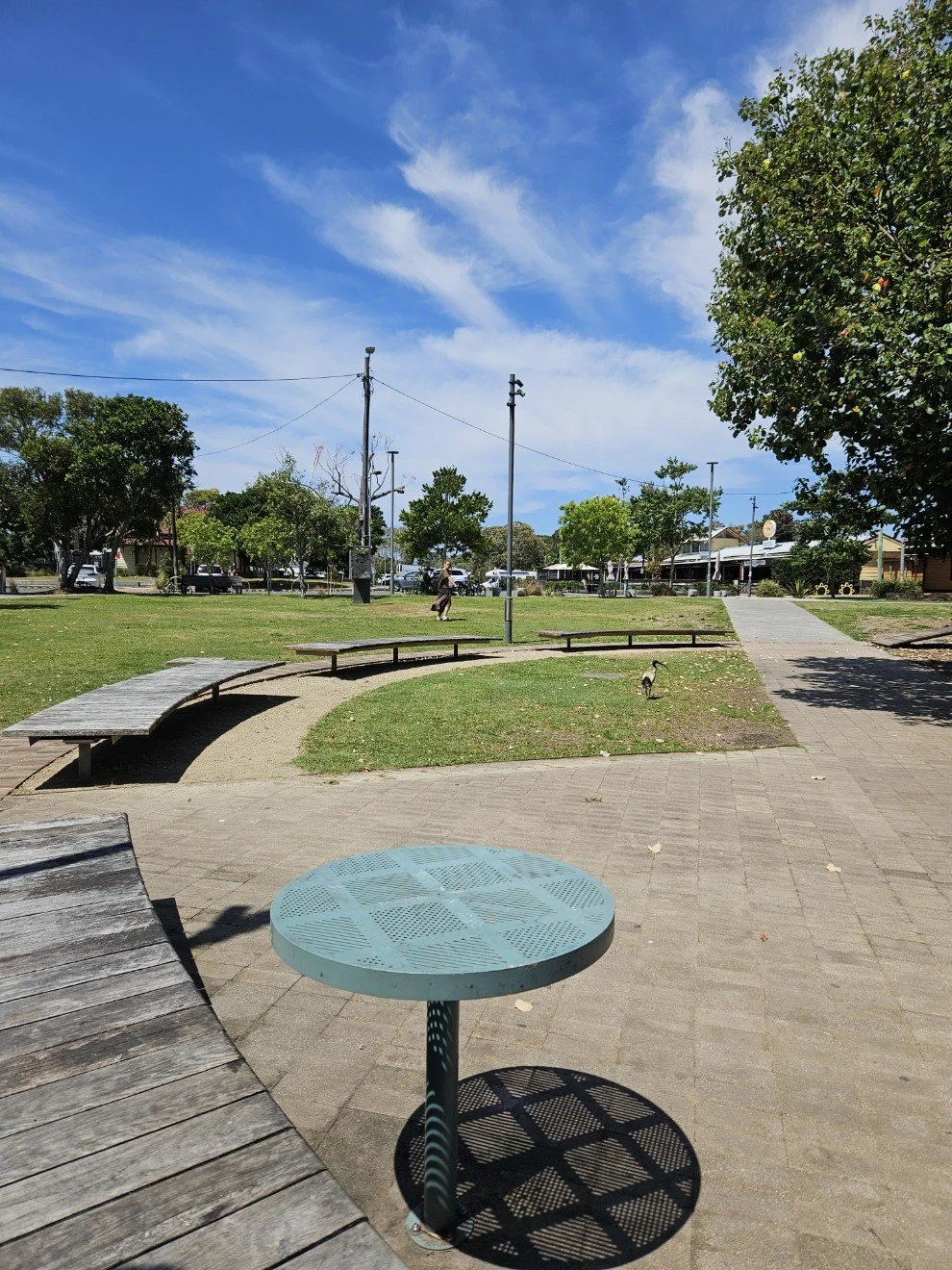
A few recent photos taken around Byron Bay question whether the SRV will be enough to bring Byron into the 21st century and make our amenities fit-for-purpose …
Want to highlight an issue or be informed?
Sign up to our newsletter and tell us what matters to you in the 2481 postcode — because local voices have the power to shape local issues.